Home plumbing systems are essential for delivering water for everyday use and managing wastewater. Understanding how these systems function—from water supply lines to drainage networks—helps homeowners appreciate the infrastructure that supports modern living. Properly designed plumbing ensures fresh water reaches every fixture while waste is efficiently removed, maintaining comfort, hygiene, and overall home functionality. Knowledge of these components also aids in maintenance, troubleshooting, and informed decision-making.
Main Components of Home Plumbing Systems
Pipes form the arteries of a plumbing system, directing water to various parts of the home. Common materials include copper, PVC, and PEX.
Copper is durable and corrosion-resistant, PVC is cost-effective and excellent for waste lines, while PEX is flexible and easy to install, making it ideal for retrofits.
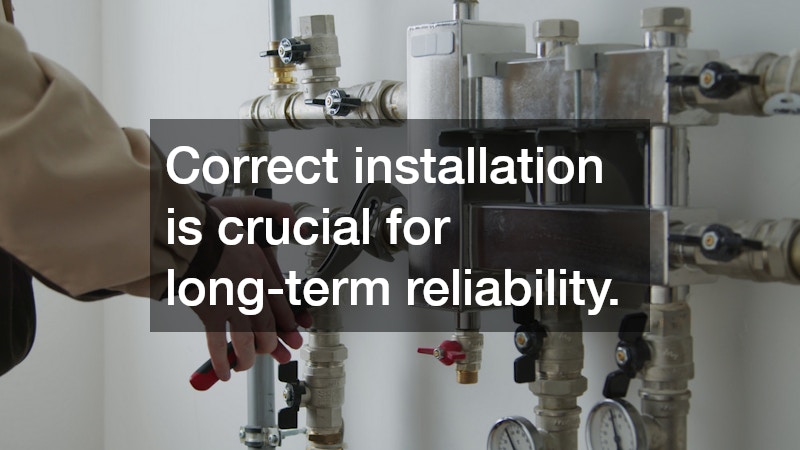
Choosing the right pipe depends on climate, water quality, and budget. Copper may react with certain soils, while PEX is sensitive to UV exposure. Proper fittings—compression or threaded—ensure secure connections, reducing leaks and system failures. Correct installation is crucial for long-term reliability and minimizes costly repairs.
Water enters homes from a municipal source or private well. Meters track consumption, helping detect leaks. Pressurization ensures water reaches all fixtures; pumps and pressure tanks maintain flow where gravity alone is insufficient. Manifold systems distribute water efficiently to specific outlets, while regular checks help preserve system longevity and performance.
Wastewater is managed through traps, vents, and sewer lines. Traps beneath sinks, showers, and toilets maintain water seals, preventing sewer gases from entering living spaces. Vents allow air into pipes to maintain smooth flow and prevent vacuum locks. Sewer lines, made of metal or PVC, carry waste to municipal systems or septic tanks. Routine inspections and maintenance—like hydro jetting or camera inspections—keep these systems functioning safely and efficiently.
Managing Water Pressure
Pressure regulators ensure optimal water pressure, preventing damage to pipes and appliances. Installed near the main meter, they maintain balanced flow. Regular inspections prevent issues like pipe vibration, water hammer, or fluctuating pressure, protecting both the system and household efficiency.
Homes relying on well water use submersible or jet pumps to distribute water. Pumps paired with pressure tanks maintain continuous flow. Large or shared water systems may use variable speed or booster pumps to accommodate fluctuating demand. Regular servicing ensures stable pressure and prevents disruptions.
Buffer tanks, or pressure tanks, regulate fluctuations in water pressure. They store excess pressure, reduce strain on pipes, and prevent water hammer. Properly sized and maintained tanks are particularly important in large households or commercial applications, extending system life and improving efficiency.
Common Plumbing Problems and Solutions
Leaks can result from worn gaskets, faulty installation, or pipe degradation. External factors like freezing temperatures, high water pressure, or shifting soil can worsen leaks and lead to unexpected damage over time. Regular inspections, prompt repairs, and intervention from professional plumbing services for serious issues prevent water waste, structural damage, and higher utility bills. Homeowners should remain alert for early warning signs, including water discoloration, mold growth, damp spots, unusual odors, or sudden spikes in water usage, as these may indicate hidden leaks that require immediate attention.
Clogs are often caused by hair, grease, food, or foreign objects accumulating in drains. Preventive measures include using strainers, disposing of fats and solids properly, and scheduling routine drain cleaning. Mineral buildup, pipe corrosion, or roots from nearby trees can also obstruct pipes, often requiring professional cleaning, snaking, or hydro jetting. Ensuring proper pipe slope, accessible clean-outs, and ongoing maintenance keeps drainage systems effective, reduces the risk of backups, and maintains smooth water flow throughout the home.
Low water pressure can stem from partially closed valves, sediment buildup, or undetected leaks. Immediate solutions include fully opening valves, cleaning faucet aerators, and flushing pipes to remove debris. In older homes, aging infrastructure, corroded pipes, or system-wide supply changes may require professional solutions, such as repiping, installing pressure regulators, or adding booster pumps. Maintaining proper water pressure protects appliances, improves shower and faucet performance, and ensures daily household tasks run efficiently. Regular monitoring and timely intervention help sustain a reliable, comfortable plumbing system.
Understanding home plumbing systems helps homeowners maintain, troubleshoot, and prevent common issues. Pipes, fittings, water supply, wastewater systems, and pressure management all work together to deliver reliable, safe water service. Regular inspections, timely repairs, and proper maintenance extend system life, conserve resources, and preserve home comfort. Knowledge of plumbing fundamentals empowers residents to make informed decisions, ensuring efficiency, safety, and peace of mind.
About the Author