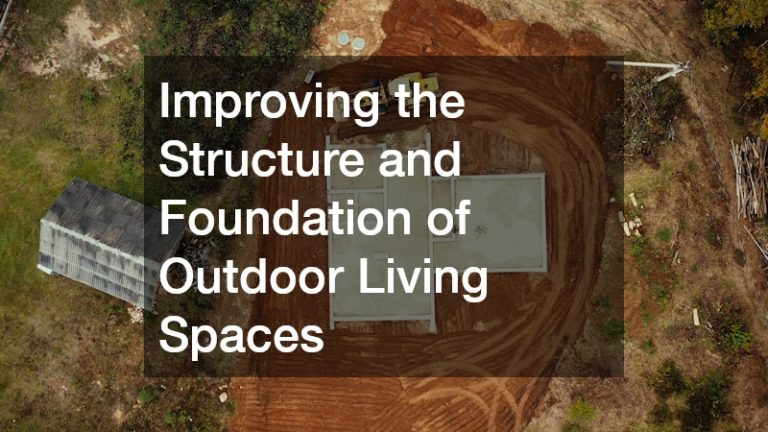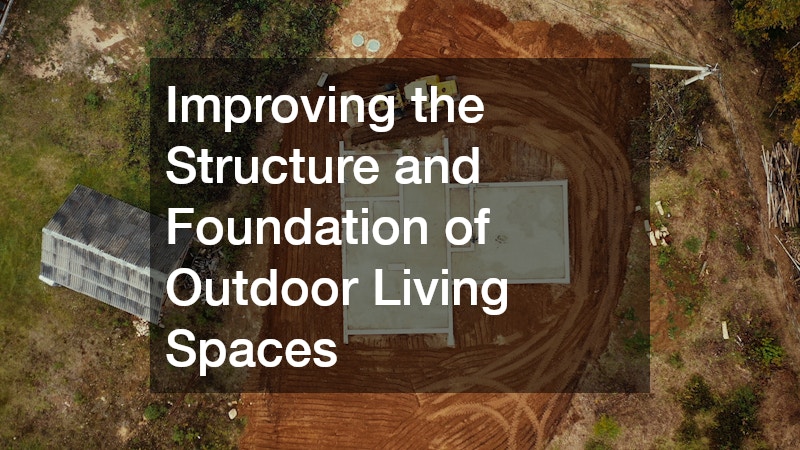
An outdoor living space is only as strong as the hidden systems and structural foundations supporting it. When we picture the perfect backyard oasis, our minds naturally drift toward the visible design choices: plush weather-resistant sofas, ambient bistro lighting, premium stainless steel outdoor kitchens, and sleek fire features. However, focusing solely on these surface aesthetics is a recipe for premature failure. A stunning stone patio or a sprawling multi-level deck can quickly turn into an expensive headache if the ground beneath it shifts, the frame rots from trapped moisture, or improper water drainage slowly undermines the entire structure.
True outdoor luxury and longevity must be engineered from the ground up. Homeowners frequently spend thousands of dollars decorating spaces that suffer from structural instability, improper grading, or poor perimeter protection. Over time, these oversights manifest as sagging deck beams, cracked pavers, and pooling rainwater that ruins both the landscaping and the home’s foundation. To avoid these catastrophic pitfalls, you need a holistic approach that prioritizes water management, structural integrity, and durable transition zones.
Subsurface Mastery: Managing Ground Moisture and Water Flow
The single greatest threat to any outdoor structure is uncontrolled water. When rainwater pools around hardscaping or beneath wooden structures, it saturates the soil, causing it to expand, contract, and lose its load-bearing capacity. Over time, this shifting ground can cause heavy stone patios to sink, retaining walls to bow, and foundations to crack. Managing ground moisture requires a proactive, multi-layered defense strategy designed to move water away from high-traffic zones as quickly as possible.
The first step in proper subsurface water management is establishing the correct grade. The ground surrounding your outdoor living areas should always slope away from both your home’s foundation and your primary social spaces. A minimum slope of one-quarter inch per linear foot is standard for lawn areas, while hardscapes like patios should have a subtle, engineered pitch to ensure water sheets off safely into designated drainage zones rather than pooling in the center.
To catch and divert water before it causes damage, a combination of surface and subsurface drainage systems should be implemented:
- French Drains: These gravel-filled trenches contain a perforated pipe that collects groundwater and channels it safely away to a lower point on the property or a dedicated dry well.
- Catch Basins: Strategically placed grates in low-lying areas of a patio or lawn capture heavy surface runoff during intense storms and direct it into solid underground pipes.
- Swales: These shallow, vegetated ditches can be seamlessly integrated into your landscape design to naturally slow down and redirect large volumes of stormwater.
Protecting the perimeter of your home is equally critical because roof runoff can easily destroy the structural integrity of your backyard layouts. If your home has worn-out gutters, overflowing water will spill directly onto the custom woodwork, masonry, or landscaping below, washing away soil and rotting nearby wood. Investing in professional gutter services ensures that heavy downpours are safely collected at the roofline and channeled into downspout extensions that terminate far from your active living zones. Furthermore, staying on top of necessary roofing repairs prevents water from infiltrating your home’s walls and eaves, which can weaken the ledger boards that hold your exterior structures in place. By securing your roof and gutter networks, you protect your ground-level investments from water damage.
Elevated Foundations: Sub-Structure Safety for Decks and Balconies
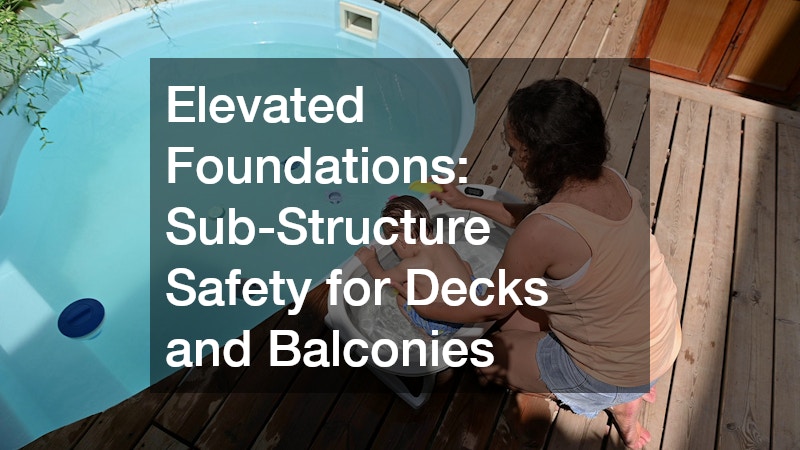
Elevated decks offer a wonderful way to extend your living space outward, but because they are elevated, their structural integrity is paramount for safety. The foundation of a deck relies on a complex network of footings, posts, beams, and joists working together to support thousands of pounds of dead and live loads. Unfortunately, many wooden decks suffer from hidden rot and structural fatigue long before the surface boards show signs of wear.
The most critical point of failure for any attached deck is the ledger board, which connects the deck frame directly to the house. If this connection is not perfectly flashed and bolted, water can seep behind it, rotting both the deck framing and the rim joist of your home. To ensure maximum safety, heavy-duty structural screws or through-bolts must be used instead of simple nails, and self-adhering flashing tape should be applied over the top of the ledger to create an absolute waterproof barrier.
Beyond the ledger connection, building a safe, long-lasting deck requires meticulous attention to material selection and construction techniques:
- Using pressure-treated lumber rated for ground contact for all structural posts, even if they sit slightly above the actual dirt line.
- Installing joist flashing tape along the top edges of all joists and beams to shield the wood grain from trapping moisture beneath the surface deck boards.
- Employing hidden fastening systems or stainless steel screws that resist corrosion and prevent wood splitting, which can allow moisture to penetrate deep into the framing.
When expanding or upgrading an elevated platform, working with an experienced deck contractor is the best way to ensure your frame meets local building codes and weight capacities. A professional can evaluate the structural health of your existing joists and design a layout that safely accommodates heavy additions like hot tubs or stone outdoor fireplaces. Additionally, if you plan to utilize the shaded area beneath an elevated deck as a secondary patio, installing an under-joist deck drain system is an absolute game-changer. This system captures the water that falls through the gaps of the upper deck boards and channels it out through a hidden gutter network, keeping the space below completely dry and creating a comfortable, shielded ceiling for a brand-new ground-level living space.
Stable Footers and Hardscaping: Overcoming Soil Shifting
Whether you are building a heavy retaining wall, an outdoor kitchen, or a stone paver patio, the longevity of your masonry relies entirely on the stability of the soil beneath it. In regions that experience freezing temperatures, soil undergoes a dramatic process known as frost heave. When water in the soil freezes, it expands, pushing upward with immense force. When it thaws, the soil collapses unevenly, leaving voids that cause heavy structures above to sink, tilt, or crack.
To beat frost heave, any load-bearing structural column or post must be anchored by concrete footings that extend deep into the earth, well below your local climate’s frost line. Digging to this depth ensures that the base of the concrete footing rests on stable, unfrozen soil year-round, preventing the upward pushing forces from disrupting the level structure above.
For flat ground-level hardscaping like patios and walkways, where pouring deep concrete footings across the entire surface isn’t feasible, you must build a highly engineered, multi-layered sub-base instead:
- Excavation and Geotextile Fabric: Remove the topsoil down to stable subgrade dirt, then lay down a heavy-duty woven geotextile fabric to keep the native soil from mixing with your clean gravel base.
- Compacted Crushed Stone Base: Add a four-to-six-inch layer of angular crushed stone, compacted incrementally with a heavy mechanical plate compactor to create an interlocking, stable foundation that allows water to drain through.
- Bedding Sand Layer: Spread a smooth, one-inch layer of washed concrete sand over the gravel to provide a perfectly level bed for setting individual pavers or flagstones.
- Polymeric Joint Sand: Once the pavers are laid, sweep polymeric sand into the joints and mist it with water, which activates a binding agent that locks the pavers together and resists weed growth and washouts.
For seamless installation of large concrete slabs or structural masonry retaining walls, hiring a professional concrete service is essential. Specialized teams have the tools necessary to properly mix, pour, and reinforce concrete with steel rebar or wire mesh, giving the material the tensile strength required to resist cracking under heavy loads. Similarly, seeking out residential paving services for your interlocking stone or brick walkways ensures that the sub-base compaction and edge restraints are perfectly executed, keeping your walking paths uniform, flat, and free of hazardous trip-points for decades to come.
Seamless Access: Upgrading Approaches and Entryways
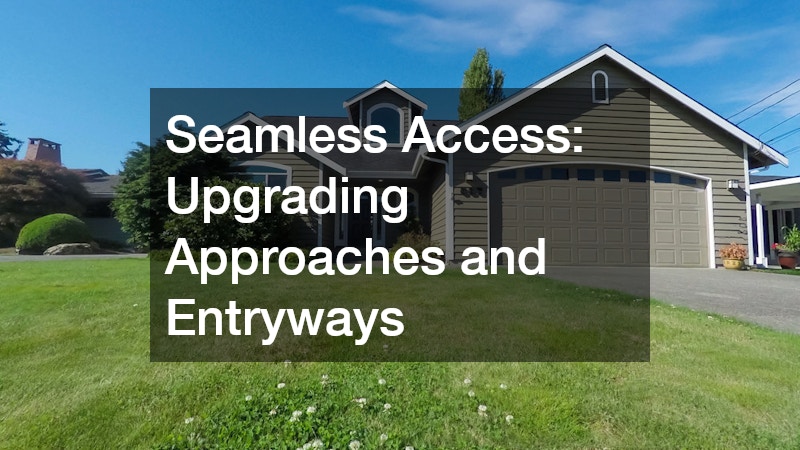
The structural health of your property does not end at the backyard gate. The approach routes, driveways, and front entryways establish the structural boundary for your entire lot and play a major role in how water and vehicles interact with your landscape architecture. A poorly constructed or crumbling driveway can channel heavy sheets of storm runoff directly toward your backyard living zones, bypassing your drainage systems and overloading your lawn.
Standard vehicle paths face immense daily stress from heavy wheel loads, fluctuating temperatures, and chemical spills like automotive oil or de-icing salts. Over time, these stressors cause asphalt and concrete to develop hairline fractures. If left unaddressed, water enters these cracks, freezes during the winter, and shatters the surrounding material from the inside out, culminating in deep potholes and sunken areas.
Maintaining an attractive, structurally sound entryway requires a balance of heavy engineering and surface protection:
- Regular Crack Sealing: Filling surface fissures with rubberized sealant stops water from reaching the gravel base below, which is the primary cause of localized foundation collapse.
- Ensuring Monolithic Pours: When replacing segments of entryways, ensuring thick, uniform edges helps the perimeter withstand the heavy weight of delivery trucks or large sport utility vehicles without breaking off.
- Integrating Catch Basins at the Apron: Installing a trench drain where the driveway meets the property line stops street water from entering your driveway and flooding your low-lying landscape beds.
When structural damage becomes too severe for simple patches, relying on professional driveway paving services is the most effective way to completely strip away failed asphalt, re-stabilize the crushed stone base, and lay down a pristine, hot-mix asphalt surface that sheds water perfectly. Once the heavy ground machinery has completed the structural overhauls, you can turn your attention to protecting the surrounding vertical elements. Investing in a fresh round of exterior painting for nearby retaining walls, garage doors, framing, and trim does far more than just boost curb appeal. Premium exterior coatings seal porous wood and masonry surfaces, shielding them from UV degradation and rot while unifying the aesthetic transition from the front driveway to the rear living space.
Perimeter Protection and Greenery Integration
The final component of an enduring outdoor space involves managing the boundaries of your property and integrating your landscaping so that it actively protects your hardscape investments. Fences and privacy screens provide vital sanctuary from the wind and elements, but because they act like large sails in a storm, they face immense lateral wind loads that can easily snap weak posts or pull them straight out of the ground.
To ensure your perimeter boundaries stay standing through severe weather, fence posts should be buried deep—typically one-third to one-half of their total above-ground height—and anchored securely inside a solid cylinder of poured concrete. The top of the concrete anchor should be sloped gently away from the post to prevent water from pooling around the base, which causes premature wood rot or metal corrosion at the most vulnerable ground-contact point.
Beyond hard structural boundaries, your green landscaping elements should be utilized as living engineering tools to stabilize the soil and control erosion around your hardscaping:
- Deep-Rooted Turfgrass: Maintaining a thick, healthy lawn creates a dense root matrix that physically binds the topsoil together, stopping heavy rain from washing mud onto your pristine stone patios.
- Retaining Wall Plantings: Planting deep-rooted shrubs and perennials directly behind retaining walls helps absorb excess ground moisture, reducing the hydrostatic pressure that builds up behind the stone.
- Strategic Tree Placement: Plant large trees far enough away from patios and driveways so that their powerful growing root systems do not lift, crack, or disrupt your level stone or asphalt foundations in the future.
Enlisting professional fencing services is a highly recommended strategy when setting up heavy vinyl, iron, or privacy wood barriers, as they use specialized augers and post-setting techniques to ensure perfect vertical alignment that can withstand high wind zones. To keep the living elements of your perimeter working in harmony with your hardscape features, consistent lawn care is indispensable. Regular aeration, dethatching, and overseeding keep the surrounding turf incredibly thick and robust. A healthy lawn acts as a highly efficient, natural water filtration blanket, slowing down storm runoff, catching silt, and absorbing excess water before it ever has a chance to reach and saturate your outdoor living foundations.
An exceptional outdoor living environment is an investment in your property’s value and your family’s quality of life. By looking past surface decorations and committing to proper drainage, deep structural footings, robust framing, and stable approach pathways, you ensure your backyard sanctuary remains safe and beautiful for decades.
Rather than waiting for major structural failures to occur, make it a habit to perform an annual inspection of your outdoor property every spring. Check that your rooflines and downspouts are clear, look for early signs of soil settling or shifting pavers, inspect your deck framing connections for moisture retention, and fill minor cracks in your pavement immediately. Addressing small foundation and water management issues early prevents them from escalating into costly reconstruction projects. With a solid structural foundation in place, you can enjoy your outdoor sanctuary with absolute peace of mind, knowing that the beauty on top is fully supported by smart engineering below.
An outdoor living space is only as strong as the hidden systems and structural foundations supporting it. When we picture the perfect backyard oasis, our minds naturally drift toward the visible design choices: plush weather-resistant sofas, ambient bistro lighting, premium stainless steel outdoor kitchens, and sleek fire features. However, focusing solely on these surface aesthetics is a recipe for premature failure. A stunning stone patio or a sprawling multi-level deck can quickly turn into an expensive headache if the ground beneath it shifts, the frame rots from trapped moisture, or improper water drainage slowly undermines the entire structure.
True outdoor luxury and longevity must be engineered from the ground up. Homeowners frequently spend thousands of dollars decorating spaces that suffer from structural instability, improper grading, or poor perimeter protection. Over time, these oversights manifest as sagging deck beams, cracked pavers, and pooling rainwater that ruins both the landscaping and the home’s foundation. To avoid these catastrophic pitfalls, you need a holistic approach that prioritizes water management, structural integrity, and durable transition zones.
Subsurface Mastery: Managing Ground Moisture and Water Flow
The single greatest threat to any outdoor structure is uncontrolled water. When rainwater pools around hardscaping or beneath wooden structures, it saturates the soil, causing it to expand, contract, and lose its load-bearing capacity. Over time, this shifting ground can cause heavy stone patios to sink, retaining walls to bow, and foundations to crack. Managing ground moisture requires a proactive, multi-layered defense strategy designed to move water away from high-traffic zones as quickly as possible.
The first step in proper subsurface water management is establishing the correct grade. The ground surrounding your outdoor living areas should always slope away from both your home’s foundation and your primary social spaces. A minimum slope of one-quarter inch per linear foot is standard for lawn areas, while hardscapes like patios should have a subtle, engineered pitch to ensure water sheets off safely into designated drainage zones rather than pooling in the center.
To catch and divert water before it causes damage, a combination of surface and subsurface drainage systems should be implemented:
- French Drains: These gravel-filled trenches contain a perforated pipe that collects groundwater and channels it safely away to a lower point on the property or a dedicated dry well.
- Catch Basins: Strategically placed grates in low-lying areas of a patio or lawn capture heavy surface runoff during intense storms and direct it into solid underground pipes.
- Swales: These shallow, vegetated ditches can be seamlessly integrated into your landscape design to naturally slow down and redirect large volumes of stormwater.
Protecting the perimeter of your home is equally critical because roof runoff can easily destroy the structural integrity of your backyard layouts. If your home has worn-out gutters, overflowing water will spill directly onto the custom woodwork, masonry, or landscaping below, washing away soil and rotting nearby wood. Investing in professional gutter services ensures that heavy downpours are safely collected at the roofline and channeled into downspout extensions that terminate far from your active living zones. Furthermore, staying on top of necessary roofing repairs prevents water from infiltrating your home’s walls and eaves, which can weaken the ledger boards that hold your exterior structures in place. By securing your roof and gutter networks, you protect your ground-level investments from water damage.
Elevated Foundations: Sub-Structure Safety for Decks and Balconies
Elevated decks offer a wonderful way to extend your living space outward, but because they are elevated, their structural integrity is paramount for safety. The foundation of a deck relies on a complex network of footings, posts, beams, and joists working together to support thousands of pounds of dead and live loads. Unfortunately, many wooden decks suffer from hidden rot and structural fatigue long before the surface boards show signs of wear.
The most critical point of failure for any attached deck is the ledger board, which connects the deck frame directly to the house. If this connection is not perfectly flashed and bolted, water can seep behind it, rotting both the deck framing and the rim joist of your home. To ensure maximum safety, heavy-duty structural screws or through-bolts must be used instead of simple nails, and self-adhering flashing tape should be applied over the top of the ledger to create an absolute waterproof barrier.
Beyond the ledger connection, building a safe, long-lasting deck requires meticulous attention to material selection and construction techniques:
- Using pressure-treated lumber rated for ground contact for all structural posts, even if they sit slightly above the actual dirt line.
- Installing joist flashing tape along the top edges of all joists and beams to shield the wood grain from trapping moisture beneath the surface deck boards.
- Employing hidden fastening systems or stainless steel screws that resist corrosion and prevent wood splitting, which can allow moisture to penetrate deep into the framing.
When expanding or upgrading an elevated platform, working with an experienced deck contractor is the best way to ensure your frame meets local building codes and weight capacities. A professional can evaluate the structural health of your existing joists and design a layout that safely accommodates heavy additions like hot tubs or stone outdoor fireplaces. Additionally, if you plan to utilize the shaded area beneath an elevated deck as a secondary patio, installing an under-joist deck drain system is an absolute game-changer. This system captures the water that falls through the gaps of the upper deck boards and channels it out through a hidden gutter network, keeping the space below completely dry and creating a comfortable, shielded ceiling for a brand-new ground-level living space.
Stable Footers and Hardscaping: Overcoming Soil Shifting
Whether you are building a heavy retaining wall, an outdoor kitchen, or a stone paver patio, the longevity of your masonry relies entirely on the stability of the soil beneath it. In regions that experience freezing temperatures, soil undergoes a dramatic process known as frost heave. When water in the soil freezes, it expands, pushing upward with immense force. When it thaws, the soil collapses unevenly, leaving voids that cause heavy structures above to sink, tilt, or crack.
To beat frost heave, any load-bearing structural column or post must be anchored by concrete footings that extend deep into the earth, well below your local climate’s frost line. Digging to this depth ensures that the base of the concrete footing rests on stable, unfrozen soil year-round, preventing the upward pushing forces from disrupting the level structure above.
For flat ground-level hardscaping like patios and walkways, where pouring deep concrete footings across the entire surface isn’t feasible, you must build a highly engineered, multi-layered sub-base instead:
- Excavation and Geotextile Fabric: Remove the topsoil down to stable subgrade dirt, then lay down a heavy-duty woven geotextile fabric to keep the native soil from mixing with your clean gravel base.
- Compacted Crushed Stone Base: Add a four-to-six-inch layer of angular crushed stone, compacted incrementally with a heavy mechanical plate compactor to create an interlocking, stable foundation that allows water to drain through.
- Bedding Sand Layer: Spread a smooth, one-inch layer of washed concrete sand over the gravel to provide a perfectly level bed for setting individual pavers or flagstones.
- Polymeric Joint Sand: Once the pavers are laid, sweep polymeric sand into the joints and mist it with water, which activates a binding agent that locks the pavers together and resists weed growth and washouts.
For seamless installation of large concrete slabs or structural masonry retaining walls, hiring a professional concrete service is essential. Specialized teams have the tools necessary to properly mix, pour, and reinforce concrete with steel rebar or wire mesh, giving the material the tensile strength required to resist cracking under heavy loads. Similarly, seeking out residential paving services for your interlocking stone or brick walkways ensures that the sub-base compaction and edge restraints are perfectly executed, keeping your walking paths uniform, flat, and free of hazardous trip-points for decades to come.
Seamless Access: Upgrading Approaches and Entryways
The structural health of your property does not end at the backyard gate. The approach routes, driveways, and front entryways establish the structural boundary for your entire lot and play a major role in how water and vehicles interact with your landscape architecture. A poorly constructed or crumbling driveway can channel heavy sheets of storm runoff directly toward your backyard living zones, bypassing your drainage systems and overloading your lawn.
Standard vehicle paths face immense daily stress from heavy wheel loads, fluctuating temperatures, and chemical spills like automotive oil or de-icing salts. Over time, these stressors cause asphalt and concrete to develop hairline fractures. If left unaddressed, water enters these cracks, freezes during the winter, and shatters the surrounding material from the inside out, culminating in deep potholes and sunken areas.
Maintaining an attractive, structurally sound entryway requires a balance of heavy engineering and surface protection:
- Regular Crack Sealing: Filling surface fissures with rubberized sealant stops water from reaching the gravel base below, which is the primary cause of localized foundation collapse.
- Ensuring Monolithic Pours: When replacing segments of entryways, ensuring thick, uniform edges helps the perimeter withstand the heavy weight of delivery trucks or large sport utility vehicles without breaking off.
- Integrating Catch Basins at the Apron: Installing a trench drain where the driveway meets the property line stops street water from entering your driveway and flooding your low-lying landscape beds.
When structural damage becomes too severe for simple patches, relying on professional driveway paving services is the most effective way to completely strip away failed asphalt, re-stabilize the crushed stone base, and lay down a pristine, hot-mix asphalt surface that sheds water perfectly. Once the heavy ground machinery has completed the structural overhauls, you can turn your attention to protecting the surrounding vertical elements. Investing in a fresh round of exterior painting for nearby retaining walls, garage doors, framing, and trim does far more than just boost curb appeal. Premium exterior coatings seal porous wood and masonry surfaces, shielding them from UV degradation and rot while unifying the aesthetic transition from the front driveway to the rear living space.
Perimeter Protection and Greenery Integration
The final component of an enduring outdoor space involves managing the boundaries of your property and integrating your landscaping so that it actively protects your hardscape investments. Fences and privacy screens provide vital sanctuary from the wind and elements, but because they act like large sails in a storm, they face immense lateral wind loads that can easily snap weak posts or pull them straight out of the ground.
To ensure your perimeter boundaries stay standing through severe weather, fence posts should be buried deep—typically one-third to one-half of their total above-ground height—and anchored securely inside a solid cylinder of poured concrete. The top of the concrete anchor should be sloped gently away from the post to prevent water from pooling around the base, which causes premature wood rot or metal corrosion at the most vulnerable ground-contact point.
Beyond hard structural boundaries, your green landscaping elements should be utilized as living engineering tools to stabilize the soil and control erosion around your hardscaping:
- Deep-Rooted Turfgrass: Maintaining a thick, healthy lawn creates a dense root matrix that physically binds the topsoil together, stopping heavy rain from washing mud onto your pristine stone patios.
- Retaining Wall Plantings: Planting deep-rooted shrubs and perennials directly behind retaining walls helps absorb excess ground moisture, reducing the hydrostatic pressure that builds up behind the stone.
- Strategic Tree Placement: Plant large trees far enough away from patios and driveways so that their powerful growing root systems do not lift, crack, or disrupt your level stone or asphalt foundations in the future.
Enlisting professional fencing services is a highly recommended strategy when setting up heavy vinyl, iron, or privacy wood barriers, as they use specialized augers and post-setting techniques to ensure perfect vertical alignment that can withstand high wind zones. To keep the living elements of your perimeter working in harmony with your hardscape features, consistent lawn care is indispensable. Regular aeration, dethatching, and overseeding keep the surrounding turf incredibly thick and robust. A healthy lawn acts as a highly efficient, natural water filtration blanket, slowing down storm runoff, catching silt, and absorbing excess water before it ever has a chance to reach and saturate your outdoor living foundations.
An exceptional outdoor living environment is an investment in your property’s value and your family’s quality of life. By looking past surface decorations and committing to proper drainage, deep structural footings, robust framing, and stable approach pathways, you ensure your backyard sanctuary remains safe and beautiful for decades.
Rather than waiting for major structural failures to occur, make it a habit to perform an annual inspection of your outdoor property every spring. Check that your rooflines and downspouts are clear, look for early signs of soil settling or shifting pavers, inspect your deck framing connections for moisture retention, and fill minor cracks in your pavement immediately. Addressing small foundation and water management issues early prevents them from escalating into costly reconstruction projects. With a solid structural foundation in place, you can enjoy your outdoor sanctuary with absolute peace of mind, knowing that the beauty on top is fully supported by smart engineering below.
About the Author