Key Takeaways
- Establishing a dedicated savings fund helps homeowners handle unexpected repair expenses without relying heavily on debt or credit cards.
- Consistent contributions, even in small amounts, can build a substantial financial cushion over time when combined with automated savings habits.
- Preventive upkeep and regular inspections can identify minor issues early, reducing the risk of expensive emergencies later.
- Understanding the lifespan and replacement costs of major home systems allows for better financial planning and realistic savings goals.
- Redirecting money from reduced discretionary spending or unexpected income sources can accelerate the growth of a repair fund.
- Learning basic DIY skills can lower maintenance costs and help address minor issues before they become larger problems.
- Long-term planning and budgeting create greater financial stability, helping homeowners protect both their property value and overall financial well-being.
Owning a home is one of the most rewarding investments a person can make, but it also comes with financial responsibilities that many homeowners underestimate. While mortgage payments, utilities, and regular upkeep are expected expenses, emergency home repairs often arrive without warning. A leaking roof during a storm, a failing water heater, a damaged foundation, or a broken HVAC system can quickly turn into a costly situation that strains your budget. Unfortunately, many households are not financially prepared for these unexpected events, forcing them to rely on credit cards, loans, or delayed repairs that can make the problem even worse.
The good news is that preparing for emergency repairs does not require a massive income or complicated financial strategies. With thoughtful planning, disciplined saving habits, and proactive home care, homeowners can build a financial cushion that helps cover unexpected expenses. In this guide, we’ll explore ten practical and effective ways to save money for emergency home repairs so you can protect both your property and your financial well-being.
Why Is It Important to Prepare for Unexpected Repair Costs?
Many homeowners focus on immediate expenses while overlooking the long-term costs of maintaining a property. Yet every house, regardless of age, location, or construction quality, will eventually require repairs. Systems wear out, weather causes damage, and materials naturally deteriorate over time. Waiting until something breaks before thinking about the financial impact can create significant stress and force difficult financial decisions.
Preparing ahead of time allows homeowners to address issues promptly, often reducing the total repair cost. A small leak repaired immediately may cost a few hundred dollars, while neglecting it could lead to structural damage costing thousands. Emergency preparedness is not just about having money available; it’s about preserving the value, safety, and functionality of your home.
By developing a strategy for saving and planning, homeowners can gain peace of mind knowing they are ready to handle surprises when they arise. The following methods can help you build a strong financial foundation for future repairs.
1. Create a Dedicated Emergency Repair Fund
One of the most effective ways to prepare for unexpected repair expenses is to establish a separate savings account specifically for home emergencies. Keeping these funds separate from your general savings helps prevent accidental spending and ensures the money remains available when needed.
A dedicated account also makes it easier to track your progress toward your savings goal. Whether you contribute weekly, biweekly, or monthly, consistency is more important than the amount you start with.
Consider these tips when building your repair fund:
- Set a realistic initial goal, such as $1,000 to $2,500.
- Increase your target over time as your home’s needs evolve.
- Keep the account accessible but separate from daily spending funds.
- Automate transfers whenever possible.
Even small contributions can add up significantly over the course of a year.
2. Estimate Future Repair Costs Before They Happen
Many homeowners fail to save because they do not know how much money they should set aside. Understanding the potential costs associated with major home systems can help create a more realistic savings target.
Research the average lifespan and replacement costs of components such as:
- Roofing materials
- Water heaters
- HVAC systems
- Plumbing lines
- Electrical systems
- Appliances
- Siding and exterior finishes
For example, replacing a roof may cost several thousand dollars, while a new HVAC system could require a substantial investment depending on the home’s size and location.
Knowing these figures allows you to anticipate future expenses and prepare gradually rather than scrambling to find funds during an emergency.
3. Automate Your Savings Contributions
Saving consistently becomes much easier when you remove the need to make manual decisions every month. Automation helps homeowners stay disciplined and ensures that emergency savings continue growing even during busy periods.
Many banks allow customers to schedule automatic transfers from checking accounts into savings accounts. By treating these transfers like a recurring bill, homeowners can prioritize their future financial security.
Benefits of automatic savings include:
- Reduced temptation to spend the money elsewhere
- Consistent account growth
- Simplified budgeting
- Less stress about remembering transfers
Even setting aside a small amount each payday can lead to substantial savings over time.
4. Reduce Small Monthly Expenses and Redirect the Savings

Building an emergency repair fund does not always require earning more money. Sometimes it simply involves using existing income more strategically.
Review your monthly expenses and identify areas where spending can be reduced. Many households discover recurring subscriptions, memberships, or discretionary purchases that can be scaled back without significantly affecting their quality of life.
Potential areas for savings include:
- Streaming services
- Dining out
- Coffee purchases
- Entertainment subscriptions
- Impulse online shopping
- Premium cable packages
Redirecting even modest monthly savings into a repair fund can generate meaningful results over the course of a year. For example, saving $100 per month creates $1,200 annually that can be used for unexpected repairs.
5. Stay Ahead of Problems Through Preventive Care
One of the smartest financial decisions homeowners can make is investing in prevention. Regular inspections and upkeep can significantly reduce the likelihood of expensive emergencies.
Completing routine home maintenance tasks allows homeowners to identify minor issues before they become major problems. Small investments in preventive care often save thousands of dollars in future repair costs.
Examples of preventive measures include:
- Cleaning gutters regularly
- Inspecting roofing materials
- Checking for plumbing leaks
- Servicing HVAC equipment
- Sealing exterior cracks
- Maintaining drainage systems
Preventive care helps extend the lifespan of key systems while reducing the chances of sudden and costly failures.
6. Build Repairs Into Your Annual Budget
Many households budget for vacations, holidays, and entertainment but neglect to budget for property-related expenses. Including home repairs as a regular budget category can improve financial preparedness.
Rather than viewing repairs as rare events, consider them an inevitable part of homeownership. Setting aside a fixed percentage of your income each month creates a steady stream of savings dedicated to future repair needs.
Some financial experts recommend saving between 1% and 4% of your home’s value annually for maintenance and repairs. While the exact amount varies, having a structured approach helps ensure that repair costs do not catch you off guard.
A budget that anticipates future expenses is generally more resilient than one that reacts only after problems arise.
7. Take Advantage of Windfalls and Extra Income
Unexpected income presents an excellent opportunity to strengthen your repair fund without affecting your regular budget.
Examples of extra income sources include:
- Tax refunds
- Performance bonuses
- Overtime pay
- Freelance earnings
- Cash gifts
- Profit from selling unused items
Rather than spending all of these funds immediately, consider allocating a portion toward emergency repair savings.
For example:
- Deposit 50% into your repair fund.
- Use 30% for debt reduction.
- Reserve 20% for personal spending.
This balanced approach allows you to enjoy some flexibility while still improving your financial preparedness.
8. Learn Basic DIY Skills for Minor Repairs
Not every home repair requires professional assistance. Developing basic do-it-yourself skills can help homeowners address minor issues before they escalate into expensive emergencies.
Simple repairs often involve relatively low-risk tasks such as:
- Replacing weatherstripping
- Fixing running toilets
- Patching small drywall holes
- Caulking windows
- Replacing faucet washers
- Unclogging drains
Learning these skills can save hundreds of dollars in service calls while helping you become more familiar with your property’s condition.
Of course, complex electrical, structural, gas, or major plumbing work should generally be handled by qualified professionals. The goal is not to eliminate professional services entirely but to reduce unnecessary expenses where appropriate.
9. Conduct Regular Home Inspections
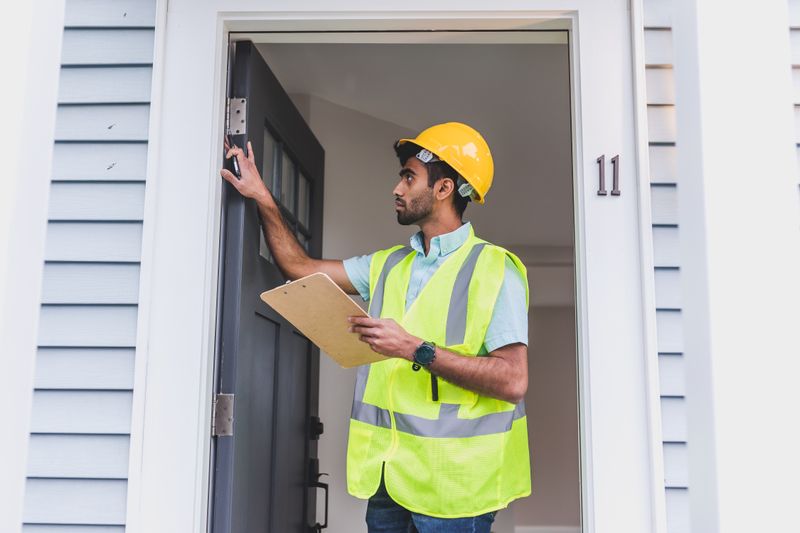
Routine inspections allow homeowners to detect developing problems early, often before they become emergencies.
Many serious repair issues begin as subtle warning signs that are easy to overlook. Water stains, minor cracks, unusual noises, and small leaks can all indicate larger problems beneath the surface.
Create a simple inspection schedule that includes:
Monthly Checks
- Plumbing fixtures
- HVAC filters
- Smoke detectors
- Water heater performance
Seasonal Checks
- Roof condition
- Gutters and downspouts
- Exterior siding
- Foundation drainage
Annual Checks
- Electrical systems
- Chimneys
- Major appliances
- Attic ventilation
Consistent inspections help homeowners stay informed about their property’s condition and avoid expensive surprises.
10. Prioritize Long-Term Property Care
Many homeowners focus only on visible issues while neglecting larger systems that influence a home’s overall health. Long-term planning can significantly reduce emergency repair expenses over the life of a property.
Developing a strategic approach to home renovation and repair helps homeowners make informed decisions about upgrades, replacements, and maintenance schedules. Rather than reacting to failures, proactive planning allows you to address aging components before they become emergencies.
Consider maintaining records for:
- Roof installation dates
- Appliance purchases
- HVAC service history
- Plumbing upgrades
- Electrical improvements
- Warranty information
These records can help predict future replacement needs and support more effective budgeting decisions.
What are the Most Common Emergency Home Repairs?
Understanding the repairs most likely to occur can help homeowners determine where to focus their savings efforts. While every property is unique, several issues consistently rank among the most expensive and disruptive emergencies.
Common emergency repairs include:
Roof Damage
Storms, aging materials, and falling debris can lead to leaks and structural concerns that require immediate attention.
Plumbing Failures
Burst pipes, sewer backups, and significant leaks can cause extensive water damage if not addressed quickly.
HVAC Breakdowns
Heating and cooling system failures often occur during periods of extreme weather, making prompt repairs essential.
Electrical Problems
Faulty wiring, overloaded circuits, and electrical panel issues can create serious safety hazards.
Foundation Issues
Cracks, settling, and moisture intrusion can threaten structural integrity and require costly repairs.
Being aware of these common risks can help homeowners establish realistic savings goals and prioritize preventive measures.
How Much Should You Have Saved for Emergency Repairs?
There is no universal amount that works for every homeowner. The ideal savings target depends on factors such as:
- Home age
- Property size
- Geographic location
- Climate conditions
- Construction quality
- Existing system conditions
As a general guideline, many financial professionals suggest maintaining at least several thousand dollars in a dedicated repair fund. Older homes or properties with aging systems may require larger reserves.
Consider creating multiple savings milestones:
Starter Fund
$1,000–$2,500
Designed to cover minor emergencies and immediate repair needs.
Intermediate Fund
$5,000–$10,000
Provides protection against larger repairs involving plumbing, roofing, or HVAC systems.
Comprehensive Fund
$10,000+
Offers greater financial security for major structural or system-related emergencies.
The appropriate amount will vary, but having any dedicated savings is significantly better than having none.
Mistakes That Can Make Emergency Repairs More Expensive
Many homeowners unintentionally increase repair costs through avoidable mistakes. Recognizing these pitfalls can help preserve both your home and your finances.
Common mistakes include:
- Ignoring small warning signs
- Delaying necessary repairs
- Failing to perform routine maintenance
- Not budgeting for future expenses
- Hiring contractors solely based on the lowest price
- Neglecting annual inspections
- Using emergency credit as the primary plan
Addressing issues promptly often results in lower repair costs and fewer disruptions to daily life.
Building a Long-Term Financial Safety Net for Your Home
Saving for emergency repairs is not a one-time project. It is an ongoing process that evolves alongside your property. As systems age and replacement costs increase, homeowners should periodically review their savings goals and adjust contributions accordingly.
A strong financial safety net combines several strategies:
- Dedicated emergency savings
- Preventive maintenance
- Routine inspections
- Long-term budgeting
- Responsible spending habits
- Strategic planning for replacements
Together, these practices create a comprehensive approach that reduces financial stress and improves overall homeownership experiences.
Conclusion
Unexpected home repairs are an inevitable part of owning property, but financial emergencies do not have to be. By creating a dedicated savings fund, budgeting consistently, reducing unnecessary expenses, conducting regular inspections, and investing in preventive care, homeowners can significantly improve their ability to handle surprise repair costs.
Small actions taken today can prevent major financial challenges tomorrow. The key is consistency and preparation. Whether you’re a first-time homeowner or have owned property for years, developing a proactive savings strategy will help protect your home, preserve its value, and provide greater peace of mind when unexpected repairs inevitably arise.
About the Author