When homeowners plan renovations to boost property value, they usually think of surface-level improvements. Fresh paint, modern kitchen cabinets, quartz countertops, and upgraded bathroom tile often take top priority. While cosmetic updates certainly grab attention in real estate listings, the hidden mechanical infrastructure behind your walls plays a far more critical role in determining a property’s true appraisal value and long-term marketability.
Outdated, deteriorating plumbing infrastructure creates unseen structural risks. Corroded pipes, aging waste lines, and inefficient appliances turn away serious buyers and often trigger red flags during formal home inspections. Conversely, strategic plumbing modernization offers a high return on investment. Upgrading your home’s water systems protects its structural integrity, lowers monthly operating expenses, and provides documented reliability that appraising agents and buyers actively seek. Here is an in-depth guide on how targeted plumbing improvements protect your investment, boost functionality, and maximize resale appeal.
Upgrade to High-Efficiency Heating Units to Lower Utility Bills and Attract Buyers

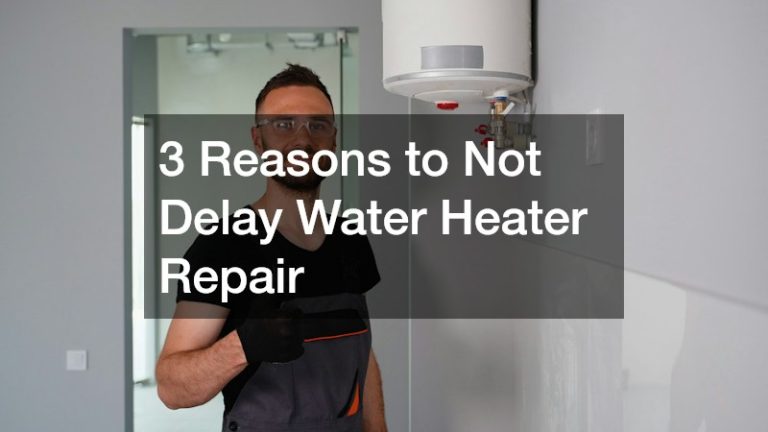
Water heating accounts for a massive portion of a residential property’s ongoing energy consumption. Prospective home buyers are increasingly conscious of utility expenses, making the age, capacity, and efficiency of hot water systems a primary focus during home tours. An old, rusting tank unit signals upcoming replacement costs to a buyer, while a newly installed, high-efficiency system serves as an attractive selling point.
When evaluating system replacements, homeowners must weigh the benefits of modern tankless models against advanced storage tank units:
- Tankless On-Demand Units: These compact systems heat water only when needed, eliminating standby heat loss, drastically reducing energy bills, and providing a continuous hot water supply while saving valuable floor space.
- Hybrid Heat Pump Tanks: Utilizing ambient air heat, these units operate up to three times more efficiently than standard electric tanks, delivering massive long-term operational savings.
- High-Capacity Traditional Tanks: Modern insulated storage tanks offer higher recovery rates and better energy factors than models built a decade ago.
To maximize equipment lifespan and maintain top energy efficiency, scheduling routine water heater services is essential. Flushing sediment buildup annually prevents heating element failure and maintains optimal heat transfer.
By investing in modern water heaters, homeowners reduce their daily energy overhead while instantly adding tangible infrastructure value that appraisers recognize during property assessments.
Install Advanced Filtration and Softening Units to Protect Pipes and Fixtures
Water quality varies dramatically across different regions, and untreated tap water can wreak havoc on a home’s plumbing framework. Hard water contains high concentrations of dissolved calcium and magnesium. Over time, these minerals precipitate out of the water, forming hard scale deposits inside supply lines, water heaters, showerheads, and high-end faucets. This buildup restricts water flow, reduces appliance efficiency, and accelerates internal pipe corrosion.
Installing home water softener systems addresses hard water problems directly at the main supply point. Softened water prevents mineral scale from building up inside copper or PEX supply lines, effectively doubling the operational lifespan of expensive appliances like dishwashers, washing machines, and water heaters. Furthermore, it prevents unsightly white mineral staining on custom glass shower doors and stone bathroom tiles, preserving the pristine look of past cosmetic renovations.
In addition to water softening, modern buyers place a premium on health and wellness features within the home. Integrating a point-of-entry water filtration system removes chlorine, heavy metals, industrial contaminants, and microplastics from the entire household water supply.
Providing clean, micro-filtered drinking water from every single tap in the house elevates a property’s market appeal, positioning it as a modern, health-conscious home equipped with premium mechanical infrastructure.
Implement Non-Invasive Pipe Inspections and Safe Drain Maintenance Protocols

Unaddressed plumbing leaks are one of the leading causes of catastrophic property damage. Pinhole leaks hidden behind drywall or beneath subfloors can go unnoticed for months, steadily rotting structural framing, warping wood floors, and promoting toxic mold growth. By the time visible stains appear on ceilings or walls, the required remediation costs can run into tens of thousands of dollars.
To protect your home’s equity, implementing proactive diagnostic measures is crucial. Modern diagnostic tools allow specialists to evaluate pipe conditions without tearing open walls or digging up yards:
- Infrared Thermal Imaging: Detects subtle temperature changes behind drywall, highlighting active moisture zones caused by hidden hot or cold supply line leaks.
- Acoustic Pipe Locating: Uses high-frequency sound sensors to pinpoint the exact location of pressurized pipe breaches beneath concrete slabs.
- Video Camera Sewer Line Inspections: Feeds high-definition cameras down main drain lines to identify root intrusion, pipe sagging, or cracks before main-line backups occur.
Utilizing advanced leak detection technology ensures that minor pipe issues are caught and corrected before causing structural damage that harms property value.
When dealing with slow-moving drains, avoiding harsh chemical clearers is equally important. Off-the-shelf caustic chemicals generate heat and aggressive chemical reactions that weaken older PVC, cast iron, and copper pipes over time. Instead, utilizing professional hydro-jetting and biological enzyme drain cleaners safely removes organic build-up and grease without compromising internal pipe walls. Keeping wastewater lines flowing freely protects your home against sudden back-ups and expensive emergency line repairs.
Upgrade Aging Waste Management Systems to Pass Home Inspections with Ease
While supply lines bring fresh water in, waste management infrastructure handles the critical task of removing wastewater safely. In older properties, main sewer lines and waste storage systems are frequent failure points during real estate transactions. Cast iron pipes degrade internally, clay pipes fracture under root pressure, and outdated waste holding tanks fail modern environmental compliance standards.
For rural properties or homes not connected to municipal sewer grids, managing wastewater requires specialized infrastructure. A failing holding tank can lead to ground contamination, foul exterior odors, and complete transaction deadlocks during a sale. Investing in a professional septic tank installation ensures the property features a fully permitted, code-compliant wastewater system capable of handling modern household demands. Upgrading this core system eliminates a major potential liability for future buyers.
In urban and suburban environments, replacing deteriorated underground sewer lines or rerouting main branch lines requires advanced engineering and municipal permitting. Hiring a licensed, insured plumbing contractor guarantees that large-scale infrastructure projects comply with local building codes, utilize root-resistant materials, and pass rigorous municipal inspections.
Upgrading aging waste lines ensures that your home passes buyer pre-purchase inspections without triggering demands for costly price concessions or escrow holds.
Build a Relationship With Certified Service Technicians for Consistent Maintenance

While many homeowners attempt basic DIY tasks around the house, complex plumbing infrastructure requires professional expertise. Improperly installed fittings, unvented drain lines, or incorrect pipe sizing can lead to pressure imbalances, sewer gas leaks, and hidden water damage. Furthermore, unpermitted plumbing work performed by unlicensed individuals can invalidate home insurance policies and derail real estate sales when discovered during routine home inspections.
Establishing a working relationship with a reputable local plumber provides ongoing protection for your home’s mechanical systems. Professional technicians bring specialized diagnostic tools, industry knowledge, and working familiarity with local plumbing codes.
Regular professional service audits provide several long-term benefits for your property:
- Pressure Regulator Verification: Ensures incoming municipal water pressure remains within safe operating limits (40–60 PSI), preventing unexpected pressure spikes from blowing out appliance hoses or pipe joints.
- Shut-Off Valve Testing: Verifies that individual fixture shut-off valves and the main house water valve operate smoothly, ensuring immediate water cutoff during emergencies.
- Corrosion Sweeps: Identifies early electrolysis or galvanic corrosion where dissimilar metals join, allowing for proactive replacement before pipe failure occurs.
Routine professional audits catch minor component wear early, turning potentially catastrophic plumbing emergencies into simple, scheduled maintenance fixes that preserve home equity.
Maintain Detailed Service Records to Prove System Quality During Home Appraisal
When appraising a property, real estate appraisers evaluate both visual aesthetics and overall mechanical condition. While a newly renovated kitchen is easy to appreciate visually, hidden mechanical upgrades—such as repiping, upgraded drain lines, or new main shut-off assemblies—can be overlooked if not properly documented.
To capture the full financial value of your plumbing improvements, maintain an organized plumbing history log folder containing:
- Itemized Invoices: Detailed receipts from every service visit showing replaced valves, line clearings, and component installs.
- Equipment Warranties: Transferable warranty documents for water heaters, filtration systems, and main pumps.
- Permit Approvals: Signed municipal inspection permits for major system alterations, pipe rerouting, or septic work.
- Inspection Certificates: Official backflow testing certificates and camera inspection footage verifying sewer line integrity.
Working alongside a reliable local plumber ensures that every repair, installation, and inspection is fully documented according to local trade standards.
When it comes time to sell or refinance, presenting this detailed documentation folder to appraisers and prospective buyers offers clear proof of proactive property care. Showing that the home’s hidden systems have been meticulously maintained eliminates buyer skepticism, reduces purchase contingencies, and provides concrete justification for a top-of-market appraisal value.
Modern Material Choices That Maximize Plumbing Durability

When executing plumbing upgrades, the materials selected directly impact system longevity and property evaluation. Older homes often contain outdated galvanized iron or polybutylene piping, both of which are infamous for premature failure, restricted water flow, and catastrophic pipe bursts. Modern plumbing standards favor materials engineered for flexibility, corrosion resistance, and decades of reliable service.
Cross-Linked Polyethylene (PEX) Supply Lines
PEX tubing has revolutionized residential water supply systems. Its unique material properties make it an outstanding choice for modern repiping projects:
- Freeze Resistance: PEX expands slightly under freezing conditions, making it significantly less likely to burst during severe winter freezes compared to rigid metallic pipes.
- Corrosion and Scale Immunity: Unlike copper or galvanized steel, PEX is completely immune to mineral scale buildup and pit corrosion caused by acidic water.
- Flexible Installation: Because it bends around structural framing members, PEX requires far fewer elbow fittings, reducing total joint connections and minimizing potential leak points throughout the home.
High-Grade Copper Piping
For visible supply lines and high-temperature applications, thick-walled copper remains a gold standard in residential construction:
- Proven Longevity: Properly installed copper piping boasts an operational lifespan exceeding 50 years. This durability makes it a wise investment for homeowners looking to minimize maintenance costs over time.
- Bacterial Resistance: Natural biostatic properties prevent bacterial growth inside supply lines, helping preserve clean drinking water quality. This feature is particularly important for families concerned about health and hygiene.
- Fire Resistance: Copper does not melt, release toxic fumes, or burn during house fires, offering superior structural safety ratings. Unlike some plastic alternatives, copper’s integrity and effectiveness remain intact even in extreme conditions.
Additionally, copper is highly recyclable and has a lower environmental impact compared to other materials, making it an eco-friendly choice for sustainable construction. Its aesthetic appeal also adds a touch of elegance to plumbing installations, enhancing overall home value.
Polyvinyl Chloride (PVC) and ABS DWV Lines
For Drain-Waste-Vent (DWV) systems, modern rigid plastics offer substantial advantages over legacy cast iron or clay pipes:
- Smooth Internal Bore: Prevents organic snagging and grease buildup, drastically reducing the frequency of line blockages.
- Chemical Resistance: Impervious to household acids, cleansers, and soil chemicals that corrode metal waste pipes over time.
- Seamless Joints: Solvent-welded plastic joints create permanent, root-proof connections that keep wastewater contained safely.
By replacing obsolete piping materials with modern PEX, copper, and schedule-rated plastic lines, you eliminate structural liabilities and ensure your home’s mechanical system meets high modern building standards.
In addition to these advantages, modern DWV systems are also lighter and easier to handle during installation, which can significantly reduce labor costs and installation time. The flexibility of materials like PEX allows for easier routing in tight spaces, enabling more efficient use of your home’s layout. Moreover, these modern systems are designed to provide better sound insulation, reducing the noise often associated with plumbing systems. By investing in these advanced materials, homeowners not only enhance the longevity and reliability of their plumbing but also contribute to a more sustainable building practice by reducing their environmental footprint.
Preserving Capital and Building Long-Term Home Equity
Investing in your home’s plumbing framework is one of the most effective ways to protect your overall housing investment. While cosmetic updates may capture immediate attention, reliable, high-efficiency plumbing infrastructure secures the structural foundation, lowers day-to-day operating costs, and delivers lasting peace of mind.
From installing high-efficiency water heaters and water softeners to executing proactive leak detection and maintaining clear waste lines, every mechanical improvement adds tangible equity to your property. By opting for durable materials, scheduling regular professional inspections, and keeping thorough documentation of all completed work, you ensure your property retains its premium market value. Strategic plumbing upgrades keep your home operating efficiently today while guaranteeing it remains a strong, marketable financial asset for years to come.
About the Author