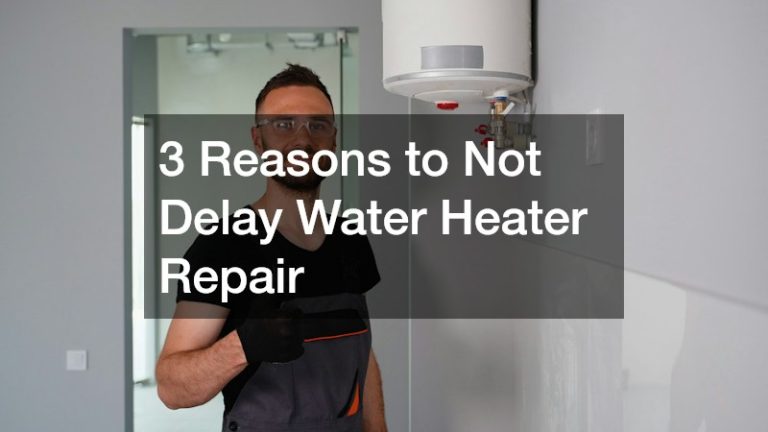
Homeownership is an ongoing balance between routine maintenance and strategic upgrades. While tackling a minor repair on a quiet weekend can be immensely satisfying, certain projects carry a level of risk that demands immediate, qualified intervention. Deferring critical repairs or attempting complex tasks without professional training often transforms minor structural issues into catastrophic expenses. When a project threatens the structural integrity, safety, or habitability of a residence, time becomes the most critical factor. Securing qualified professionals quickly ensures that work is completed to code, on schedule, and with durable materials that preserve property value.
Knowing where to draw the line between a manageable DIY task and a high-priority contractor project is essential for long-term home preservation. Complex structural alterations, high-voltage electrical installations, deep water mitigation, and precise custom finishings require specialized tools, precise trade knowledge, and regulatory permitting. Attempting these projects independently often leads to safety hazards, costly material waste, and code violations that complicate future property sales. Investing in speed and expertise for major upgrades protects both the household occupants and the financial equity built into the building structure.
Structural Foundations & Heavy Exterior Surfaces

Exterior hardscaping and heavy concrete installations form the primary defense against soil movement, water infiltration, and structural settling. Driven by environmental exposure and heavy vehicular loads, exterior surfaces naturally experience stress over time. However, when minor surface imperfections turn into deep structural fractures or uneven slabs, fast intervention is required. Cracking, heaving, and severe spalling in driveways, walkways, and patio foundations are rarely just cosmetic issues; they frequently indicate sub-surface erosion, improper soil compaction, or inadequate drainage. Delaying repairs allows groundwater to penetrate beneath the slab, washing away supporting soil and causing entire sections of concrete to collapse or shift out of alignment.
Addressing these issues requires a detailed understanding of soil mechanics, load distribution, and material science. When hiring concrete companies, homeowners gain access to specialized site preparation that prevents premature failure. Professional contractors evaluate the native soil type, perform necessary compaction, and engineer base layers using specific gravel aggregates to facilitate proper drainage. Furthermore, they install appropriate reinforcement systems, such as rebar grids or fiber mesh, and calculate precise expansion joint placements to absorb thermal movement. Attempting to pour heavy slabs without this level of structural planning almost always results in early cracking, uneven surfaces, and premature replacement needs.
Once structural surfaces are properly installed and cured, ongoing preventive maintenance preserves their appearance and longevity. Heavy organic buildup, automotive fluids, winter salts, and embedded dirt do more than ruin curb appeal; they actively degrade protective sealants and allow moisture to penetrate porous masonry. Utilizing professional pressure washing services on a regular schedule removes these harmful contaminants without eroding the top layer of the material. Specialized equipment allows technicians to calibrate water pressure and chemical cleaning agents for specific surfaces, ensuring that driveways, stone retaining walls, and paver patios remain clean, slip-resistant, and thoroughly protected against freeze-thaw damage.
Electrical Infrastructure & Critical Backup Power Systems
Modern households demand more electricity than ever before, driven by high-efficiency HVAC units, electric vehicle chargers, and complex home automation systems. Aging service panels and outdated wiring struggle to keep up with these loads, presenting serious operational inefficiencies and fire hazards. Flickering lights, frequently tripped breakers, and buzzing outlets are clear warning signs that an electrical system is operating near or beyond its safe capacity. Upgrading a main service panel or adding dedicated circuits is never a candidate for DIY experimentation, as improper wiring connections can lead to electrical fires, arc faults, and lethal shocks.
Executing complex electrical upgrades safely requires the skill and precision of a certified electrician. These licensed tradespeople possess the technical expertise needed to conduct precise load calculations, map circuit pathways, and ensure full compliance with the National Electrical Code and local building regulations. Whether retrofitting an older home with grounded wiring, installing dedicated high-voltage lines, or modernizing a main service entrance, professional installation guarantees that power is distributed safely and efficiently throughout the structure. Furthermore, licensed professionals manage the mandatory permitting and municipal inspection processes, ensuring that all work is fully documented and insurable.
In addition to primary grid infrastructure, securing a reliable source of backup power has become a priority for homeowners facing increasingly unpredictable weather events and utility grid instability. Whole-house emergency standby generators provide seamless power continuity during extended outages, keeping essential medical equipment, refrigeration, heating, and security systems operational. Installing these systems involves dual-fuel hookups and integration with the main service panel via an automatic transfer switch. Professional installation ensures that the unit activates instantly when grid power fails, while preventing dangerous electrical backfeeding into utility lines, which poses a severe hazard to line workers restoring local service.
Mold, Moisture, & Emergency Structural Drying
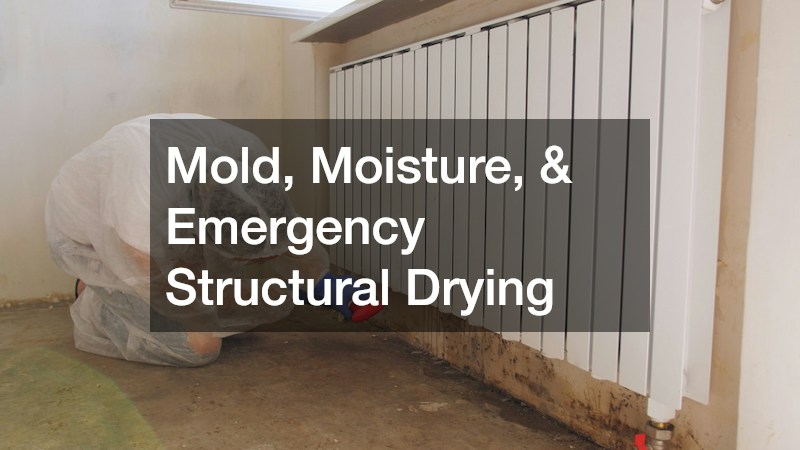
Water intrusion is one of the most destructive threats a home can face, capable of causing widespread structural damage in a short period. Whether caused by a burst supply line, severe roof leak, or torrential storm flooding, uncontained moisture rapidly saturates framing lumber, subflooring, insulation, and drywall. Within 24 to 48 hours of exposure, dormant mold spores germinate and spread throughout damp organic materials, compromising indoor air quality and triggering health issues for occupants. Beyond health risks, trapped moisture weakens structural wood members, causes floorboards to warp, and destroys expensive interior finishes.
When water emergencies occur, rapid response and specialized equipment are mandatory to mitigate long-term damage. Relying on residential fans and shop vacuums is rarely sufficient for deep structural drying. Engaging water remediation experts ensures that hidden moisture pockets behind walls, underneath floor coverings, and within subfloor assemblies are accurately detected and thoroughly dried. Certified technicians utilize advanced diagnostic tools, including thermal imaging cameras and moisture meters, to trace the full extent of water migration. They then deploy commercial-grade desiccant dehumidifiers, high-velocity air movers, and EPA-registered anti-microbial treatments to stabilize the indoor environment and prevent secondary mold growth.
Managing moisture hazards requires specialized spatial planning and containment strategies when working within smaller residential footprints. In small homes, water damage spreads across a higher percentage of the total living space in a shorter amount of time. Restricted air circulation, tight crawlspaces, and compact utility rooms complicate the drying process, making rapid containment essential. Restoration professionals create negative-pressure environments using HEPA air scrubbers to prevent cross-contamination into unaffected rooms. This contained approach allows for targeted structural drying, salvage of building materials, and rapid restoration of safe living conditions in compact properties.
High-Value Kitchen & Living Space Overhauls
Interior renovations involving kitchens and bathrooms offer some of the highest returns on investment while dramatically improving daily functionality. However, these complex projects require coordinating multiple trades, precise material handling, and careful structural planning. Modifying walls, updating plumbing configurations, and reconfiguring cabinet layouts demand a high level of craftsmanship. Attempting a major interior remodel without proper project management often leads to extended project timelines, subfloor sagging, misaligned finish surfaces, and costly material damage.
The installation of custom kitchen cabinets serves as the structural foundation for any successful kitchen remodel. Cabinets must support immense weight from heavy stone counters, dishware, and built-in appliances while remaining perfectly plumb, level, and square on uneven subfloors. Professional finish carpenters ensure that wall anchor points hit solid framing members, cabinet boxes are joined seamlessly, and integrated soft-close hardware is calibrated for smooth operation. Precision installation prevents cabinet box racking, door misalignment, and premature wear, ensuring that storage systems perform reliably under heavy daily use.
Similarly, fitting premium stone, quartz, or solid-surface bathroom countertops demands specialized fabrication and handling equipment. Natural and engineered stone slabs are exceptionally heavy and brittle before final installation; improper support during transport or placement can easily snap a slab along natural fissure lines or sink cutouts. Experienced fabricators use laser templating to match walls that are rarely perfectly straight, cutting precise edge profiles and faucet penetrations. Professional installers verify that vanity bases are fully reinforced, lay uniform epoxy seams, and apply chemical sealants to guard against moisture penetration, staining, and cracking.
To execute a seamless interior overhaul, homeowners should follow a structured project progression:
- Complete all structural wall modifications, floor joist reinforcements, and subfloor repairs.
- Rough in new plumbing supply lines, drain lines, and high-voltage electrical circuits behind wall cavities.
- Hang, tape, sand, and prime water-resistant drywall throughout the workspace.
- Install main cabinetry, ensuring precise leveling, plumb alignment, and structural wall anchoring.
- Measure and template for solid-surface counters, followed by professional fabrication and installation.
- Mount sinks, connect finish plumbing fixtures, install backsplashes, and trim electrical outlets.
Outdoor Drainage & Hazardous Canopy Maintenance
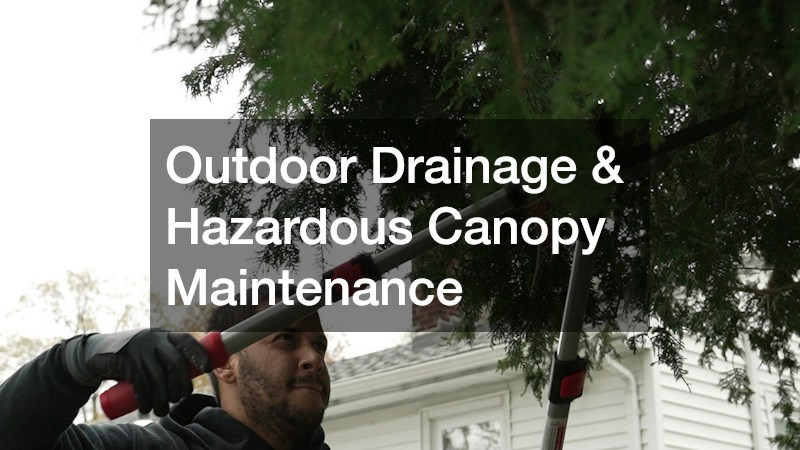
The perimeter of a property requires ongoing management to protect rooflines, structural foundations, and underground utility services from natural hazards. Overgrown trees, dead limb canopy structures, and poor yard drainage pose significant threats to residential structures during severe weather. High winds and saturated soils can cause heavy branches or entire trees to collapse onto roofs, power lines, and neighboring structures. Furthermore, neglected root systems can penetrate sewer lines, crack concrete retaining walls, and disrupt perimeter drainage pathways.
When large trees show signs of structural disease, trunk decay, or dangerous overhang, attempting to trim or cut them down using basic tools is extremely dangerous. Professional tree removal services utilize specialized rigging systems, bucket trucks, and high-capacity wood chippers to disassemble hazardous trees safely. Certified arborists assess the tree’s center of gravity, structural decay, and proximity to structures before establishing controlled drop zones or lowering limbs section by section using heavy-duty ropes and pulleys. This systematic approach eliminates the risk of crushing property, damaging utility lines, or causing severe personal injury.
Simultaneously, managing groundwater runoff around the property perimeter is critical for preserving foundation stability and preventing basement seepage. Poorly graded yards direct stormwater toward the building envelope, eroding soil, swamping crawlspaces, and putting hydrostatic pressure on foundation walls. Engaging experienced landscaping contractors allows homeowners to implement comprehensive drainage solutions, such as French drains, catch basins, bio-retention swales, and properly sloped finish grading. These functional landscape installations direct heavy rainwater away from structures, protecting hardscapes, preserving topsoil, and maintaining structural stability across the property.
To ensure outdoor property improvements remain effective long-term, homeowners should track key maintenance milestones throughout the year:
- Spring: Inspect perimeter grading for soil settling; clean French drain outlets; evaluate tree canopies for winter storm damage and dead wood.
- Summer: Verify that automated irrigation systems do not overspray onto building foundations or hardscapes; monitor deep root growth near underground utilities.
- Autumn: Clear fallen leaves and debris from drainage swales and catch basins; prune back tree limbs growing within ten feet of the roofline.
- Winter: Inspect heavy tree branches for ice accumulation and bending; clear drainage channels to allow melting snow to flow away from the foundation.
Contractor Vetting & Project Execution Framework

Selecting the right professional is just as important as identifying the home improvement project itself. A rushed decision can lead to poor workmanship, project delays, or financial loss. Homeowners must approach contractor selection with a structured vetting framework, verifying that any trade professional hired has the necessary credentials, experience, and legal protections. Never rely solely on verbal promises or low bids; comprehensive documentation and clear communication are the foundations of every successful home renovation project.
Before signing contracts or issuing down payments, homeowners should complete a thorough screening process:
- Verify Licensing and Active Credentials: Check state and local licensing boards to ensure the contractor holds an active license in good standing for their specific trade.
- Confirm Insurance Coverage: Request certificates of insurance showing active General Liability and Workers’ Compensation policies issued directly from the insurance provider.
- Examine Past Work and References: Review portfolio photos of completed projects similar in scale and scope, and contact recent client references to ask about communication, timeliness, and budget adherence.
- Review Permitting Responsibilities: Confirm in writing that the contractor will pull all necessary municipal permits and schedule required city building inspections.
- Establish Clear Scope of Work: Ensure the written contract details explicit material specifications, project start and completion milestones, cleanup protocols, and warranty terms.
- Structure a Balanced Payment Schedule: Tie payments directly to completed work milestones, withholding the final payment until all work passes municipal inspections and a final walkthrough.
By addressing critical home repairs quickly and partnering with verified, licensed trade specialists, homeowners safeguard their property value and protect their living environment. High-stakes projects involving structural foundations, electrical infrastructure, water damage mitigation, and heavy material installations require technical skills, specialized equipment, and adherence to safety codes. Investing in expert contractors ensures that major home improvements are completed efficiently, safely, and built to stand the test of time.
About the Author