Maintaining a comfortable, energy-efficient, and healthy indoor environment requires constant attention to the performance of your home’s mechanical climate control systems. Modern heating and cooling equipment operates continuously to regulate indoor air temperatures, filter airborne dust and allergens, manage humidity levels, and maintain proper ventilation throughout living quarters. However, because heating and cooling units operate under high electrical loads, extreme outdoor temperature swings, and continuous vibration, mechanical components suffer gradual physical wear over time. Without proactive maintenance, minor mechanical issues—such as dirty evaporator coils, loose blower belts, or low refrigerant levels—can quickly escalate into severe system failures that drive up monthly utility bills and leave your household exposed to extreme weather.
Taking a proactive approach to home climate care shifts your home management strategy from stressful, expensive emergency reactions to controlled, budget-smart mechanical preservation. Many homeowners overlook minor climate control symptoms—such as faint squeaking noises, uneven room temperatures, or slight increases in monthly electric bills—assuming that system operation remains stable as long as air continues blowing from registers. However, a struggling compressor motor or a clogged air filter forces the entire heating and cooling assembly to run longer, consuming excessive power and accelerating internal mechanical wear. Stopping mechanical strain early preserves equipment lifespans and protects household budgets from unexpected capital replacement costs.
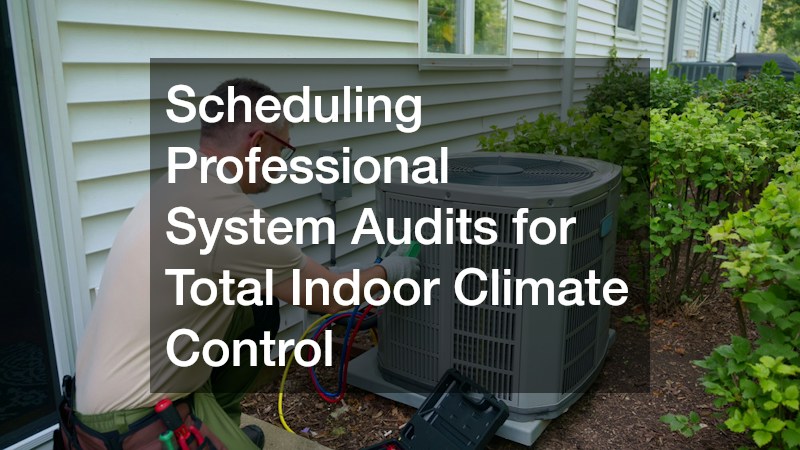
Scheduling Professional System Audits for Total Indoor Climate Control
Maintaining balanced indoor air temperatures across multi-story home layouts requires looking beyond basic thermostat settings. Central heating and cooling systems rely on balanced air distribution networks, clean heat exchangers, calibrated expansion valves, and clear condensate drainage lines to operate at peak thermodynamic efficiency. Over years of continuous operation, fine dust accumulation along blower fan blades reduces airflow velocity, forcing system motors to work harder to circulate conditioned air.
Booking comprehensive HVAC services allows property owners to receive thorough mechanical evaluations, physical airflow testing, and electronic system diagnostics from certified field technicians. Experienced service specialists measure static duct pressures, check electrical voltage draws across compressor terminals, inspect furnace heat exchangers for dangerous hairline cracks, and flush clogged condensate drain lines. Their technical oversight ensures that every mechanical component within your heating and cooling network operates within factory specification tolerances.
Partnering with a certified service enterprise protects your home against sudden component breakdowns during peak summer heat waves or severe winter freezes. Professional technicians calibrate digital thermostats, replace dirty air filters, and clean sensitive electronic control boards, restoring optimal thermal performance. Regular system audits extend equipment working lifespans and keep household utility bills predictable month after month.
Evaluating Licensed Climate Enterprises for Full System Overhauls
When aging furnace units or outdoor air conditioning condensers reach the end of their design lifespans, continuing to fund frequent emergency spot repairs becomes financially inefficient. Modern high-efficiency heat pumps and variable-speed air conditioning units offer advanced inverter technology that consumes up to 50 percent less electricity than legacy systems, providing significant long-term energy savings for homeowners.
Evaluating proposals from established HVAC companies enables property owners to compare system efficiency ratings (SEER2 and AFUE), equipment warranties, and installation labor costs transparently across prospective trade partners. Top-tier regional enterprises maintain dedicated installation divisions equipped with specialized sheet metal fabrication tools, refrigerant recovery equipment, and certified technicians who follow strict ACCA (Air Conditioning Contractors of America) sizing calculations. Their careful equipment sizing ensures that new climate control systems match your home’s exact square footage and insulation profile.
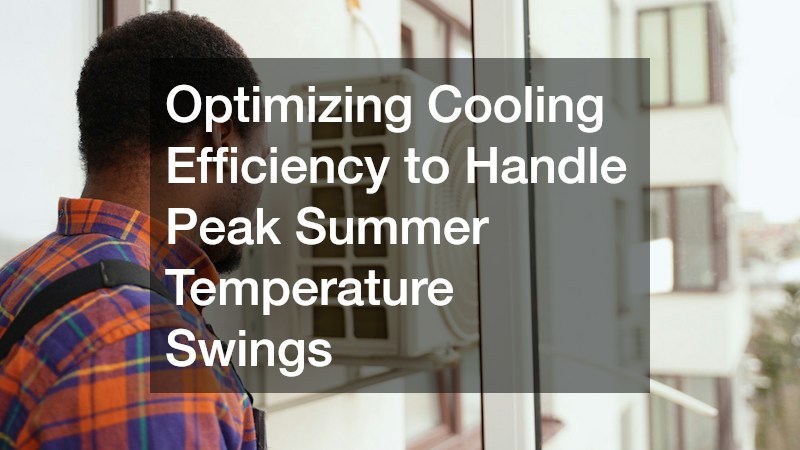
Optimizing Cooling Efficiency to Handle Peak Summer Temperature Swings
During hot, humid summer months, central air conditioning units must run for extended cycles to extract heat and moisture from indoor living spaces. Saturated air conditioning coils covered in household dust and pet dander act as thermal insulators, preventing efficient heat transfer and causing internal refrigerant pressures to spike. Operating an air conditioner with dirty coils or restricted airflow lowers cooling capacity while dramatically increasing electrical power consumption.
Scheduling professional air conditioning service before peak summer heat arrives ensures that outdoor condenser coils and indoor evaporator coils are cleaned thoroughly using specialized biodegradable foam cleansers. Certified technicians check system refrigerant charges using digital gauges, testing for subtle leaks along copper line sets that compromise cooling efficiency. Their technical tuning ensures that expansion valves meter refrigerant flow accurately, delivering rapid heat extraction across every room.
Optimizing cooling efficiency keeps your living space pleasantly cool during severe heat waves while preventing expensive compressor motor burnouts. Clean evaporator coils allow cooling systems to dehumidify indoor air effectively, preventing sticky, humid indoor conditions that encourage mold growth. Professional cooling care restores peak system performance and lowers summer electricity costs.
Executing Preventative Tune-Ups to Extend Equipment Service Lifespans
Modern central heating and air conditioning systems represent significant financial investments in your home’s infrastructure. Like automotive engines, central climate units contain high-speed moving parts, electrical relays, contactor switches, and motorized bearings that require routine cleaning, lubrication, and electrical tightening to prevent premature mechanical failure.
Enrolling in structured AC maintenance services guarantees that your cooling equipment receives thorough pre-season tune-ups every spring before heavy summer usage begins. Experienced maintenance technicians inspect electrical contact points for pitting, test run capacitors for proper microfarad ratings, lubricate fan motor bearings, and verify that safety pressure switches operate correctly. Their preventative care catches worn fan belts and failing capacitors early, allowing for simple, low-cost component replacements before catastrophic mechanical lockups occur.
Executing regular maintenance tune-ups preserves manufacturer warranty coverage, which often requires documented annual professional care to remain valid. Keeping mechanical components clean and well-lubricated reduces internal mechanical friction, allowing motors to run cooler and consume less electricity. Preventative maintenance delivers peace of mind and extends equipment operational lifespans significantly.
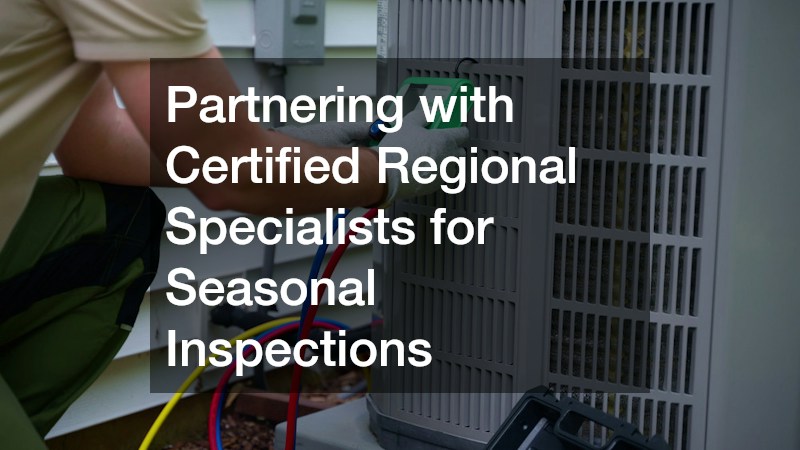
Partnering with Certified Regional Specialists for Seasonal Inspections
Finding a mechanical contractor who combines technical expertise with reliable, local accountability is essential for long-term home maintenance success. Property owners who hire unverified out-of-town technicians often face poor communication, delayed response times during weather emergencies, and lack of warranty support if installation issues arise later.
Partnering with an established local HVAC company provides access to community-based trade teams with proven track records of technical excellence and customer support. Regional climate specialists understand the specific seasonal weather challenges in your area, whether that involves extreme winter freezing conditions, high coastal humidity, or intense desert heat. Their physical proximity ensures fast mobilization, clear communication, and reliable follow-up service whenever mechanical questions arise.
Working with a trusted local enterprise guarantees that all mechanical work complies strictly with local municipal building permits and safety codes. Community-focused companies take immense pride in their local reputation, delivering respectful customer service, clean job sites, and transparent line-item pricing. Partnering with neighborhood experts establishes a reliable safety net for your home’s mechanical systems.
Upgrading Energy-Efficient Furnace and Heat Pump Technologies
As winter temperatures drop, maintaining a warm, comfortable home environment requires a reliable, high-efficiency heating system. Outdated natural gas furnaces or aging electric resistance heaters waste substantial amounts of energy through inefficient fuel combustion and flue gas heat loss, driving up monthly heating bills during cold winter months.
Exploring modern heating solutions—such as high-efficiency condensing gas furnaces, dual-fuel heat pump systems, or ductless mini-split arrays—delivers exceptional heating comfort while dramatically reducing seasonal energy consumption. Modern two-stage and variable-capacity gas furnaces adjust their burner output automatically based on real-time outdoor temperatures, burning less fuel during mild winter days while maintaining steady indoor warmth. Inverter heat pumps extract ambient heat from outdoor air even in freezing temperatures, delivering clean, quiet warmth efficiently.
Upgrading to modern heating technology eliminates cold drafts, improves indoor air quality, and lowers winter utility bills significantly. Advanced heating systems feature quiet variable-speed blower motors that circulate warm air gently, avoiding the harsh temperature spikes associated with older single-stage equipment. High-efficiency heating upgrades enhance indoor living comfort while lowering your home’s carbon footprint.

Hiring Accredited Mechanical Specialists for Safe Furnace Calibrations
Fuel-burning heating systems, such as natural gas or propane furnaces, require precise fuel-to-air combustion mixtures and intact heat exchangers to operate safely inside residential properties. Incomplete gas combustion or cracked heat exchangers allow dangerous, odorless carbon monoxide gas to mix with circulating indoor supply air, posing severe health hazards to household occupants.
Hiring a certified heating contractor ensures that your furnace or boiler undergoes rigorous safety testing and combustion analysis before winter heating seasons begin. Master technicians utilize electronic combustion analyzers to measure flue gas emissions, adjusting gas pressure regulators and burner orifices to achieve clean, safe combustion. They inspect heat exchangers using specialized video borescopes, verifying that steel walls remain free of rust, cracks, or stress fractures.
Relying on an accredited heating specialist protects your household from carbon monoxide exposure and gas leak hazards. Certified technicians verify that draft induction motors, flame sensors, and automatic gas shut-off valves function flawlessly under simulated emergency conditions. Expert mechanical calibration guarantees a safe, warm, and worry-free winter living space.
Consulting Master Technicians for Complex Airflow Diagnostics
In many homes, persistent comfort complaints—such as a bedroom that remains uncomfortably hot in summer and freezing cold in winter—are caused not by equipment failure, but by poor ductwork design, uninsulated air lines, or severe air leakage along duct seams. Leaky supply ductwork in unconditioned attics or crawlspaces dumps valuable conditioned air outside, wasting up to 30 percent of system cooling and heating capacity.
Consulting an experienced HVAC system expert allows homeowners to solve complex airflow and temperature imbalance issues through scientific diagnostic testing. Specialized technicians perform blower door tests, duct leakage pressurization measurements, and thermal imaging audits to identify concealed air leaks and restricted duct runs. Their airflow calculations ensure that duct sizes, return air grilles, and balancing dampers are proportioned correctly across every zone in your home.
Resolving hidden airflow deficiencies restores balanced room temperatures, eliminates hot and cold spots, and improves overall indoor air quality. Sealing ductwork leaks stops dust, insulation fibers, and attic allergens from being drawn into circulating supply air. Master airflow diagnostics maximize heating and cooling efficiency while optimizing indoor comfort.
Executing Timely Mechanical Fixes to Stop Unexpected System Downtime
Even well-maintained mechanical equipment can experience sudden component wear due to electrical power surges, severe storm events, or extreme weather stress. Ignoring minor warning signs—such as a chatter noise during compressor startup, a burning smell from supply vents, or frequent thermostat cycling—allows small mechanical defects to cause catastrophic motor or compressor failures.
Arranging for prompt HVAC repairs when minor operational symptoms develop stops cascading mechanical damage and keeps annual maintenance costs low. Certified field technicians arrive equipped with advanced diagnostic tools, replacement fan motors, universal contactors, and high-capacity capacitors to resolve electrical and mechanical faults quickly. Replacing a worn contactor or cleaning a dirty flame sensor restores full system functionality before complete system lockouts occur.
Taking fast action on mechanical repairs protects expensive compressors and heat exchangers from severe overload stress. Timely technical intervention keeps heating and cooling systems operating safely, preventing unexpected component failures during severe weather extremes. Proactive repair habits maintain steady indoor comfort and preserve mechanical equipment equity.
Reaching Out to Community Specialists for Rapid Emergency Fixes
A sudden air conditioning breakdown during a humid summer heatwave or a furnace failure during a freezing winter blizzard creates an immediate household emergency. Extreme indoor temperatures threaten child and elderly health, risk frozen plumbing pipe bursts, and create intense stress for property owners demanding fast technical restoration.
Reaching out to a responsive local AC repairs team ensures rapid emergency mobilization when sudden mechanical breakdowns impact your home environment. Community-based repair teams maintain fully stocked service vans carrying common replacement motors, fan blades, electronic control boards, and factory parts, allowing them to complete emergency repairs during a single site visit. Their local physical presence guarantees fast transit times and dedicated customer support during regional weather crises.
Having accessible local repair specialists available provides an invaluable safety net when severe weather strains home cooling systems. Local crews conduct thorough post-repair testing to verify that system pressures, electrical draws, and temperature drops remain stable before leaving your property. Swift emergency support restores safe, comfortable living conditions quickly.
Taking a disciplined, forward-thinking approach to home system maintenance shields your financial equity, eliminates unexpected emergency breakdown expenses, and elevates your household comfort. Strategic investment in high-efficiency mechanical equipment, certified trade craftsmanship, and routine preventative care transforms your property into a quiet, comfortable sanctuary that delivers lasting security, pride of ownership, and complete peace of mind through every season of the year.
About the Author