
Adding a backyard swimming area is one of the most rewarding investments a homeowner can make, turning an ordinary stretch of lawn into a private resort where the whole family actually wants to spend time together. When warm weather arrives, having cool water just steps from the back door naturally draws kids away from screens, gives adults a peaceful place to decompress after work, and creates an effortless setting for weekend barbecues and neighborhood gatherings. Yet building a truly functional, inviting outdoor retreat involves far more than picking out a basin shape and waiting for the water truck to arrive. Without careful forethought, issues like poor sun exposure, awkward yard flow, overhanging branches, and hidden drainage flaws can quickly dampen the joy of owning a backyard oasis.
Bringing a family-friendly aquatic space to life successfully relies on taking a structured, step-by-step approach before any heavy machinery touches the grass. Every major outdoor addition alters how your property handles rainwater, how sunlight moves across the yard, and how people navigate between the house and the lawn. By organizing the project in a sensible order—starting with policy reviews and master spatial planning before moving into site clearing, earthwork, structural installation, and finishing illumination—you protect your budget from costly mid-build surprises and ensure every piece of the yard works together seamlessly.
Ultimately, treating your backyard transformation as a cohesive outdoor living project rather than a single construction task ensures long-term comfort and safety for everyone at home. Pairing reliable trade expertise with smart spatial design transforms raw yard space into a welcoming sanctuary built for effortless summer afternoons, quiet evening relaxation, and years of family memories. With the right groundwork in place from the start, your finished backyard becomes an easy-to-maintain gathering hub that adds genuine everyday joy and lasting value to your property.

Reviewing Policy Coverage and Safety Requirements Early
Before sketching out deck dimensions or browsing tile samples, the smartest place to start is with the administrative and protective details of adding a permanent water feature to your property. An in-ground swimming area significantly changes the value of your home while introducing new considerations around property liability, fencing codes, and municipal barrier ordinances. Overlooking these foundational requirements early on can lead to unexpected coverage gaps or compliance headaches once construction is already underway.
Reaching out to your insurance agent during the initial planning stage allows you to review existing homeowner liability limits, umbrella coverage options, and specific safety features required by your carrier. Many insurance providers mandate self-closing perimeter gates, locked pool covers, or specific fence heights before extending full liability protection to a newly built basin. Getting clear answers on policy adjustments and replacement-cost updates upfront ensures that your family and your financial investment remain properly shielded from the very first day of construction.
Mapping Out Sun Angles, Sightlines, and Family Yard Flow
Once administrative safeguards are clear, turning your attention to how the entire yard will look and function prevents the water feature from feeling dropped into the landscape as an afterthought. A well-planned layout considers how children will run from the back door to the water, where adults can sit comfortably in the shade while keeping an unobstructed view of swimmers, and how afternoon sun hits the water during peak swimming hours. Placing a basin too close to dense shade keeps water temperatures chilly, while tucking it behind a garage or tall shrubbery makes casual supervision difficult.
Exploring thoughtful landscaping designs helps unify the swimming zone with surrounding patios, outdoor dining areas, and open lawn space so the entire backyard flows naturally. Skilled planners map out clear walkways that keep wet footprints off main indoor paths, designate dry lounging terraces for patio furniture, and balance sunlit deck space with shaded pergolas or perimeter plantings. Establishing a cohesive master layout before breaking ground ensures that every square foot of the yard feels intentional, comfortable, and tailored to how your family actually gathers outdoors.
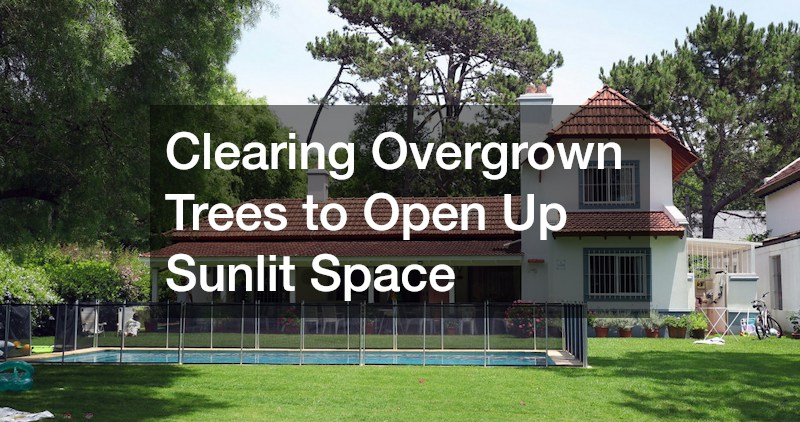
Clearing Overgrown Trees to Open Up Sunlit Space
In many established backyards, mature trees that once provided pleasant shade for an empty lawn become major obstacles when planning a sunny swimming area. Dense canopies block the warm afternoon sunlight needed to keep water comfortable, while constantly shedding leaves, pollen, sap, and seed pods that overwhelm skimmers and stain fresh deck surfaces. Furthermore, aggressive root systems from nearby trees can spread beneath patios and heave stone pavers over time if left unaddressed.
Hiring a reputable tree removal company opens up the backyard footprint by safely taking down crowded or poorly positioned trees that cast heavy shadows over the planned water zone. Experienced crews assess property boundaries, protect nearby structures, and clear out overgrown growth so natural warmth and light can reach the water throughout the day. Opening up the overhead space reduces ongoing pool cleaning chores and creates the wide, unobstructed sky view that makes a backyard retreat feel spacious and bright.
Eliminating Storm-Damaged and Leaning Canopy Hazards
Beyond clearing healthy trees that simply block sunlight, taking a careful look at the structural condition of older perimeter trees protects both swimmers and expensive new construction. Trees with split trunks, hollow interior cavities, dead upper limbs, or noticeable leans toward the house pose a serious safety threat during sudden summer thunderstorms and high wind gusts. A single falling branch can crack stone coping, puncture vinyl liners, or injure family members enjoying an afternoon swim.
Scheduling a hazardous tree removal service eliminates dead, unstable, or storm-damaged trees before heavy excavation and masonry work begin. Specialized arborists use aerial lifts, precision rigging ropes, and controlled lowering techniques to dismantle compromised trunks safely in tight residential quarters without damaging adjacent fences or utilities. Removing high-risk trees early gives you peace of mind, ensuring that your new outdoor sanctuary sits beneath a safe, stable perimeter for years to come.

Grinding Roots and Stumps Below Grade for Solid Footings
Once problem trees are cut down, leaving the remaining stumps and tangled underground root balls in place creates hidden headaches for upcoming excavation and decking work. Buried wood slowly decomposes over several seasons, creating hollow pockets in the soil that cause concrete patios to crack, pavers to sink, and underground plumbing lines to shift under ground pressure. Decaying stumps also attract subterranean termites and carpenter ants directly toward your home and wooden deck framing.
Arranging for thorough stump removal grinds remaining trunks and major lateral roots well below grade, leaving clean, solid earth ready for structural work. Heavy-duty stump grinders pulverize dense hardwood into mulch down to the necessary depth so trenches for circulation pipes and electrical conduits can be dug cleanly without hitting stubborn root obstructions. Clearing out sub-surface wood ensures that future hardscapes, utility runs, and turf rest on stable, uniform ground.
Clearing Brush and Debris for Smooth Equipment Access
Before excavators, concrete trucks, and delivery cranes can enter your yard, the surrounding ground needs to be free of dense scrub, tangled briars, large surface rocks, and leftover yard debris. Heavy construction machinery requires wide, unobstructed access paths to maneuver safely between the street and the dig site without getting bogged down or tearing up utilities. Overgrown side yards and brush-choked corners can quickly slow down crews and drive up labor hours if not cleared ahead of time.
Completing comprehensive land clearing strips away thick undergrowth, wild saplings, and surface boulders to establish clean working corridors and an open construction footprint. Clearing out rough vegetation exposes the natural contours of the ground, making it easy for builders to mark out exact basin dimensions and staging zones for materials. Preparing an open, accessible site allows heavy equipment operators to work efficiently and safely from the moment they arrive.

Shaping Soil Slopes and Drainage Away from the Basin
With the site completely cleared, properly shaping the earth becomes critical to protecting both your new swimming structure and your home’s foundation. Rainwater naturally follows the path of least resistance, and if surrounding yard slopes pitch toward the pool deck, heavy summer downpours will wash mud, lawn fertilizer, and organic debris directly into the water. Conversely, improper soil compaction around a newly dug basin can lead to uneven settling that cracks surrounding stonework.
Professional excavation and grading reshape the yard’s topography, establishing gentle, positive drainage slopes that carry stormwater safely away from the pool surround and house walls. Equipment operators cut level terraces for deck installations, compact fill soil in controlled layers to prevent future settling, and carve out subtle swales or French drain channels where needed. Getting the earthwork right beneath the surface keeps your water clean after storms and protects the structural integrity of surrounding patios for decades.
Partnering with Regional Builders on the Main Basin
Once the ground is properly graded and drained, construction moves into the exciting centerpiece phase where your swimming space takes physical shape. Building an inground basin involves coordinating municipal building permits, steel rebar reinforcement, underground hydraulic plumbing, electrical bonding, and durable interior finishes. Navigating local soil quirks—such as high water tables, expansive clay, or rocky subsoils—requires hands-on familiarity with regional building standards.
Working with a trusted local in ground pool contractor ensures that the excavation, shell construction, and circulation systems are engineered specifically for your property and municipal codes. Regional builders understand local inspection timelines, size pumps and filters properly for quiet, energy-efficient water turnover, and guide you through selecting slip-resistant coping and comfortable interior textures. Partnering with an experienced local specialist keeps the primary build running smoothly, resulting in a durable, attractive centerpiece tailored for daily family enjoyment.
Extending Backyard Comfort with a Warm-Water Retreat
While a large swimming basin shines during hot summer afternoons, cooler spring mornings, crisp autumn evenings, and chilly nights after sunset often leave family members wishing for warmer water. Incorporating a secondary warm-water zone right beside the main swimming area dramatically expands how many months out of the year your family actually uses the backyard, turning a seasonal summer amenity into a year-round relaxation spot.
Adding an integrated or adjacent hot tub gives adults a soothing hydrotherapy retreat to unwind after long workdays while giving kids a warm place to gather when evening air turns brisk. Whether built as a raised spillover spa that cascades gently into the main pool or installed as a dedicated therapeutic unit tucked into a private corner of the deck,warm bubbling water adds immediate resort-style comfort. Pairing cool swimming water with a cozy heated retreat ensures everyone in the family has a favorite spot to relax regardless of the outdoor temperature.
Illuminating Pathways and Decks for Safe Nighttime Swims
As the sun dips below the horizon, a thoughtfully designed outdoor space should transition smoothly from bright daytime play into a warm, safe, and inviting evening sanctuary. Relying solely on a single harsh floodlight mounted on the back of the house creates blinding glare across the water surface while leaving steps, deck edges, and garden paths hidden in deep shadows. Proper exterior illumination is essential for keeping evening swimmers safe while highlighting the natural beauty of your landscaping after dark.
Bringing in experienced landscape lighting installers adds balanced, low-voltage lighting along walkways, patio steps, perimeter plantings, and poolside seating zones. Technicians conceal weather-resistant wiring cleanly beneath mulch and pavers, positioning soft downward path lights so family and guests can navigate deck transitions safely with bare feet. Subtle uplighting on surrounding trees and architectural stonework creates a calm, resort-like glow that encourages everyone to linger outside long after dinner is finished.
Turning an ordinary backyard into a vibrant, comfortable swimming retreat comes down to taking a steady, well-organized approach from the very first day of planning. Taking the time to verify insurance requirements, map out practical yard flow, clear problematic trees, and shape proper ground drainage sets the stage for smooth construction and years of low-stress upkeep. When each phase of the build—from heavy earthwork and shell installation to warm spa seating and gentle evening lighting—is handled in the right sequence, the entire yard comes together naturally. The result is a safe, welcoming outdoor space where your family can cool off, relax, and build lasting memories together season after season.
About the Author