Achieving true energy efficiency in a residential space requires far more than merely remembering to turn off the lights or setting a thermostat back a few degrees. The modern home operates as a complex, interconnected ecosystem of thermal barriers, mechanical systems, and electrical infrastructure. This intricate network must function harmoniously to ensure optimal performance and minimize unnecessary energy consumption. When one component underperforms or malfunctions, it invariably strains the others, creating a domino effect of energy waste that can spiral out of control. Piecemeal adjustments, although seemingly effective in the short term, fail to produce meaningful utility savings without systematic, whole-building improvements that address the root causes of inefficiencies. Homeowners who aspire to lower their utility bills, modernize aging infrastructure, and maximize their long-term return on investment must adopt a holistic view of their property. This comprehensive perspective allows for an informed approach to upgrade and maintenance decisions, ensuring that each element of the home contributes effectively to energy conservation.
The compounding cost of deferred maintenance is often invisible until the utility bills arrive, revealing the hidden inefficiencies that lurk within the seemingly seamless operation of a home. Minor thermal leaks, which might let precious heated or cooled air escape, clogged mechanical components that hinder smooth operation, and outdated electrical circuits that fail to support modern appliance demands all drive up monthly expenses. These issues can also lead to premature mechanical failure in expensive appliances, necessitating costly repairs or replacements far sooner than anticipated. To address these challenges, homeowners must adopt a dual-track approach: combining low-friction, routine preventive maintenance with high-impact, strategic capital improvements. By conducting regular checks and timely fixes on minor issues, homeowners can prevent them from escalating into major problems. Simultaneously, investing in strategic upgrades such as replacing old windows with energy-efficient models or installing advanced heating and cooling systems can significantly enhance efficiency. By taking a proactive stance, homeowners can transform an aging, drafty house into a highly optimized living space that not only performs efficiently but also stands as a testament to sustainable living. Consider these ideas to outline the critical physical and mechanical systems that, when properly upgraded and maintained, yield the highest efficiency dividends for any residential property. This structured approach ensures that both immediate and long-term energy efficiency goals are met, paving the way for a comfortable and economical living environment.
Pinpoint Air Leaks and Degradation Along Perimeter Frames
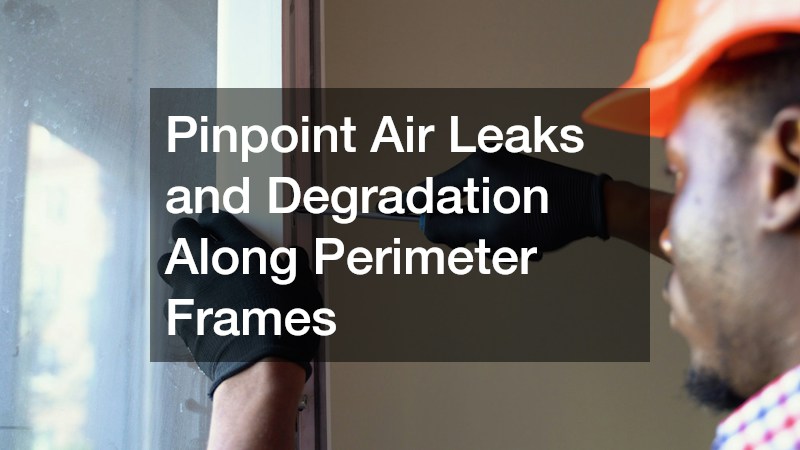
Before investing in new materials, it is crucial to understand where the existing envelope is failing. Heat transfer primarily occurs around perimeter frames, doors, and transitional joints in the architecture.
- Visual and Pressurization Audits: Homeowners should conduct visual audits using thermal imaging cameras or simple smoke pencils around sashes, rough openings, and trim to locate invisible drafts.
- Caulking and Weatherstripping Overhaul: Drafts can often be mitigated by selecting high-grade polyurethane or silicone caulking for exterior seals. Additionally, replacing degraded foam, V-strip, or pile weatherstripping along moving sashes restores the airtight seal that prevents winter heat loss and summer heat gain.
- Condensation and Moisture Mapping: Recognizing the difference between interior humidity issues and structural failure is vital. Condensation between double panes indicates blown desiccant seals, which means the insulating gas has escaped and the unit has lost its thermal resistance.
Upgrade Glazing Systems to Cut Thermal Bridging and UV Gain
When maintenance is no longer sufficient, replacing outdated units is the most effective way to eliminate thermal bridging. Modern framing materials offer vast improvements over older aluminum or single-pane wood setups. Selecting advanced composite materials or specialized products like vinyl acrylic windows provides superior structural resilience and low thermal conductivity, ensuring that the frames themselves do not transfer heat into or out of the house.
Understanding critical thermal metrics is also necessary when evaluating replacements. The National Fenestration Rating Council (NFRC) label provides two vital numbers: the U-Factor, which measures insulation capabilities (with a lower number being better for cold climates), and the Solar Heat Gain Coefficient (SHGC), which dictates how much solar radiation is allowed through the glass. Once the right product is selected, finding a qualified window contractor is the final, critical step. A trained professional will conduct precise rough opening measurements, apply non-expanding low-pressure foam insulation, and properly integrate pan flashing to ensure that no hidden air channels bypass the new installation.
Tune Burner Ignition and Airflow to Prevent Efficiency Drops
Winter heating systems require precise fuel combustion and unhindered airflow to operate at peak efficiency. When burners are dirty or blowers are restricted, the system consumes more fuel to generate the same amount of heat.
- Combustion Efficiency and Blower Tuning: Annual maintenance must include testing the heat exchanger for integrity, inspecting thermocouple sensors, and removing soot buildup from burner assemblies to ensure a clean, blue flame.
- Addressing Ignition and Ductwork Deficits: Diagnosing issues like short-cycling, delayed ignition, and plenum air leakage is critical. Addressing these deficits through targeted heating repairs before sub-zero temperatures arrive prevents catastrophic breakdowns and keeps the furnace running at its advertised Annual Fuel Utilization Efficiency (AFUE) rating.
- Filter Selection and Static Pressure Management: Homeowners often purchase the highest MERV-rated filters available, not realizing that overly restrictive filters can choke the blower motor. Selecting a balanced filter (typically MERV 8 to 11) protects the equipment from dust without creating excessive static pressure that forces the motor to overwork.
Restore Compressor Performance and Coil Cleanliness

Summer cooling systems rely on the principles of thermodynamics to extract heat from the indoor air and release it outside. If the heat exchange coils are insulated by dirt, the entire process breaks down.
- Condenser and Evaporator Maintenance: Spring preparation should involve straightening bent aluminum fins with a fin comb, clearing a two-foot perimeter of vegetation around the outdoor unit, and chemically cleaning both coils to reduce compressor head pressure.
- Diagnosing Early Thermodynamic Failures: Recognizing early warning signs like ice formation on the evaporator coil, fluctuating subcooling or superheat values, or a swollen run capacitor can save thousands of dollars. Delaying action on these symptoms typically results in a burned-out compressor, necessitating an expensive, emergency air conditioner repair call.
- Thermostat Calibration and Zone Balancing: Calibrating smart, learning thermostats allows the system to run fan circulation cycles without triggering power-heavy compressor stages. Dampening branch duct runs also helps push conditioned air evenly throughout the whole home, eliminating hot spots.
Address Weatherproofing Compromises to Preserve Underlayment Integrity
A compromised roof allows moisture to infiltrate the attic, which immediately degrades the thermal resistance (R-value) of the insulation below. Wet insulation loses its ability to trap air, rendering it useless.
- Spotting Granule Loss and Flashing Degradation: Routine visual inspections should look for excessive shingle granule loss in gutters, lifting step flashing around masonry chimneys, and cracked rubber plumbing vent boots where thermal barrier failures typically begin.
- Targeted Structural Interventions: Homeowners must evaluate the condition of their roof decking and shingles after severe weather. Determining when isolated issues, such as missing ridge caps or blown-off shingles, require immediate roof repair is essential to prevent cascading structural rot and widespread insulation damage.
- Selecting Regional Expertise: Partnering with an experienced local roofer is highly advantageous. Regional experts understand local wind loads, the specific risks of winter ice-damming, and the nuances of municipal ventilation codes, ensuring that the overhead barrier is built to withstand local climate extremes.
Balance Passive Ridge and Soffit Airflows to Stop Heat Buildup
Ventilation is the secret to a highly efficient attic space. If heat and moisture cannot escape, the HVAC system must battle the radiant heat pushing through the ceiling drywall.
- The 1:300 Net Free Area (NFA) Rule: Efficient passive cooling requires a balanced ratio of intake air (through soffit vents under the eaves) to exhaust air (through ridge or gable vents). The general rule is one square foot of ventilation for every 300 square feet of attic space to prevent conditioned air from being vacuumed out of the living envelope.
- Baffle Installation and Insulation R-Values: When blowing in new fiberglass or cellulose insulation, installing rafter baffles is crucial to prevent the insulation from blocking the continuous eaves ventilation.
- Radiant Barriers and Air Sealing the Attic Deck: Before adding insulation up to the Department of Energy’s recommended R-49 or R-60 levels, all top plates, wire penetrations, and recessed can lights should be sealed with expanding foam to completely detach the attic environment from the living space below.
Transition from Continuous Storage Heating to On-Demand Delivery

Traditional storage-tank water heaters spend energy 24 hours a day keeping 40 to 80 gallons of water piping hot, even when the house is empty or the family is asleep.
- Eliminating Standby Convection Loss: Standard storage tanks continuously radiate heat through their thin metal walls into unoccupied basements and utility closets. This standby heat loss wastes a significant amount of electricity or natural gas over a year.
- Evaluating Modern Instantaneous Systems: Upgrading to high-efficiency tankless water heaters eliminates standby loss entirely. These units only ignite when a hot water tap is opened, providing infinite hot water based on the household’s peak Gallons Per Minute (GPM) demand and the incoming groundwater temperature.
- Descaling and Preventive Flushes: To maintain the extreme efficiency of on-demand units, homeowners must establish a strict routine. Performing a 12-to-18-month white vinegar flush cycle is required to clear mineral scale buildup from the compact copper and stainless-steel heat exchangers, ensuring maximum heat transfer.
Clear Plumbing Blockages to Prevent Systemic Strain
Efficient water usage is not just about supply; it is equally about drainage. Restricted plumbing infrastructure creates systemic backpressure that strains water-using appliances like dishwashers and washing machines.
- Hydrodynamics and Waste Efficiency: Sluggish drainage and restricted waste stacks force internal appliance pumps to work harder and run longer cycles, consuming excess electricity.
- Routine Interventions vs. Professional Clearing: While minor sink clogs can sometimes be cleared with household tools, severe mainline blockages caused by tree roots or structural belly dips require advanced intervention. Heavy-duty blockages demand professional drain cleaning services utilizing motorized augers or high-pressure hydro-jetting to restore the original inner diameter of the pipes.
- Pipe Lagging and Thermal Wrap: To optimize the delivery side, homeowners should install closed-cell polyethylene foam insulation along the first six to ten feet of supply and return pipes connecting to the water heater. This reduces thermal loss in transit, meaning less water is wasted down the drain while waiting for the shower to get hot.
Expand Service Amperage to Support Modern Equipment
Many older homes were built with electrical panels designed for an era of minimal electrical demand. Modernizing a home’s efficiency often means swapping gas-powered gear for electric alternatives, which drastically changes the property’s power profile.
- Assessing Existing Panel Capacity: Homeowners must calculate their residential electrical demand profile before installing heat-pump HVAC systems, induction cooktops, and level-2 electric vehicle charging stations. An outdated 100-amp split-bus or fuse box will quickly become overloaded.
- Eliminating Electrical Bottlenecks: To safely manage these new high-amperage appliances, homes frequently require comprehensive electrical panel upgrades to transition to a robust 200-amp modern breaker system, ensuring safe and continuous power delivery.
- Thermal Testing and Surge Protection: Modern efficiency appliances rely heavily on sensitive, variable-speed circuit boards. Incorporating a whole-home Type 2 surge protective device (SPD) directly onto the main service bus safeguards these expensive microprocessors from external grid surges and internal motor-cycling spikes.
Implement Smart Load Management and Circuit Monitoring

Once the infrastructure can handle the capacity, intelligent management of that power is the next step in wringing every ounce of efficiency out of the electrical grid.
- Smart Breakers and Current Transformers (CTs): Installing energy-monitoring hardware allows homeowners to track appliance-by-appliance electrical consumption in real time. This granular data helps isolate parasitic vampire loads drawn by standby consumer electronics and aging refrigerators.
- Code-Compliant Professional Execution: Modifying a home’s power center is incredibly dangerous and highly regulated. Complex load shedding systems, sub-panel integrations, and grounding rod verification must be calculated and wired exclusively by licensed, insured electricians to prevent fire hazards and ensure strict adherence to the National Electrical Code (NEC).
- Automated Time-of-Use (TOU) Shifting: By leveraging smart breaker interfaces, homeowners subject to variable utility rates can automatically program heavy electrical loads to operate only during off-peak pricing periods. Shifting water heating and car charging to the middle of the night drastically lowers utility bills without requiring any change in lifestyle or daily habits.
Transforming a residential property into a beacon of energy efficiency is a marathon, not a sprint. Homeowners should create a prioritized roadmap based on immediate safety, seasonal comfort, and the fastest simple payback periods. The most logical progression typically begins with passive measures—such as sealing the thermal envelope and fortifying attic insulation—before moving on to active mechanical optimizations and heavy electrical modernization. By reducing the home’s baseline energy demand first, homeowners can often downsize the capacity of the expensive heating and cooling equipment they purchase later.
The payoff of meticulous maintenance and strategic upgrading compounds year after year. Beyond the immediate financial relief seen on monthly utility statements, these improvements cultivate a consistently comfortable indoor environment, enhance indoor air quality, and drastically reduce the property’s overall carbon footprint. Most importantly, a well-maintained, highly efficient house protects and increases property equity, ensuring the home remains a safe, durable, and valuable asset for decades to come.
About the Author