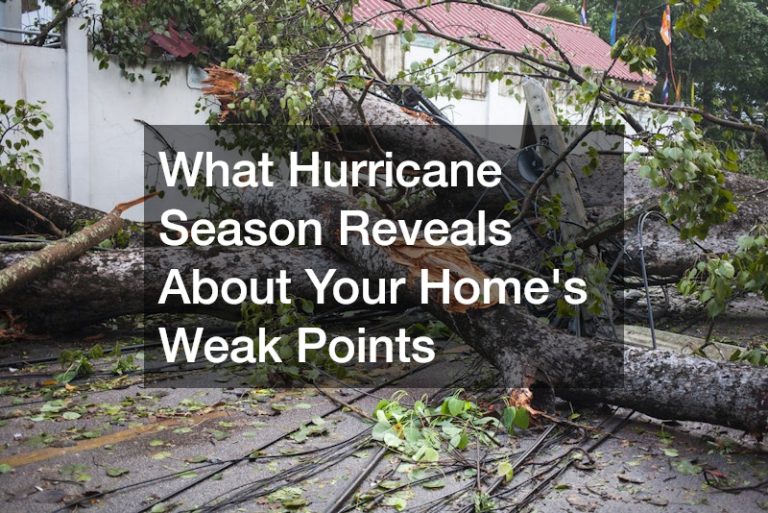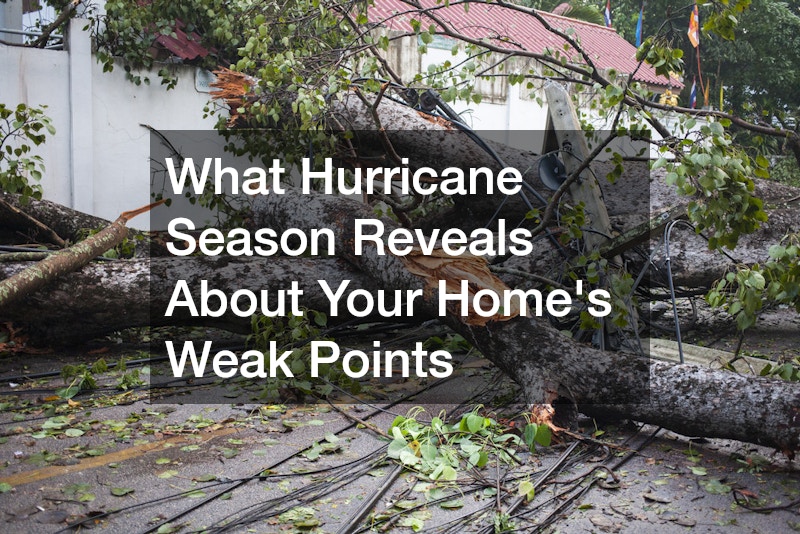
Hurricane season has a way of exposing every shortcut, every deferred repair, and every aging system in a home. High winds, driving rain, and sudden pressure changes find the weak points you didn’t know existed, often at the worst possible moment. Rather than waiting for a storm to teach you an expensive lesson, you can walk through your home now and identify the vulnerabilities that matter most. This guide breaks down the systems most likely to fail under storm stress and what to do about each one.
Roof Age and Storm Vulnerability
Your roof takes the brunt of a hurricane’s force, and its age matters more than most homeowners realize. Shingles and underlayment degrade over time from UV exposure and heat cycling, which makes them brittle and prone to lifting once winds exceed 50 miles per hour. A roof that looks fine from the ground can still have compromised flashing, worn sealant, or weakened decking underneath. Investing in quality residential roofing before storm season arrives is one of the most effective ways to reduce the odds of catastrophic water intrusion.
If your roof is more than 15 years old, it’s worth having it inspected by a professional rather than assuming it will hold. Small issues like curling shingle edges or granule loss in the gutters are early warning signs that should not be ignored.
Roof penetrations deserve attention because vents, skylights, and chimneys rely on flashing and sealants that can deteriorate faster than surrounding materials. Clearing gutters and checking attic ventilation before storm season can reveal moisture problems earlier.
- Check for missing or lifted shingles after every major windstorm
- Look for daylight through the attic, which signals gaps in the decking
- Note any sagging areas, which can indicate trapped moisture
- Ask about wind ratings when replacing an aging roof
Window and Door Protection Against High Winds
Windows and doors are often the first failure point during a hurricane because they are directly exposed to wind-driven debris and pressure changes. Once a window or door fails, wind rushes into the home and can lift the roof from the inside, turning a manageable storm into a total loss. This is why many coastal homeowners are upgrading to hurricane sliding doors, which are engineered with reinforced frames and impact-resistant glass designed to withstand flying debris and sustained wind loads. Standard sliding glass doors, by contrast, are among the most common failure points in older homes.
Beyond the doors themselves, it helps to evaluate every large glass opening in the house, including patio doors and picture windows. Impact-rated products are rated by testing standards that simulate debris strikes and pressure cycling, so ask for documentation rather than taking a seller’s word for it.
Protection should extend beyond the glass itself. Loose screens, damaged weatherstripping, and poorly secured frames can become problems when winds intensify. Homeowners should also move or secure patio furniture, grills, planters, and other outdoor objects.
- Confirm impact ratings match your local building code requirements
- Inspect door tracks and frames for rust or warping annually
- Consider laminated glass for large window openings
- Test locking mechanisms before storm season each year
Roof Leaks and Water Intrusion After a Storm
Even a well-maintained roof can develop leaks after sustained wind and rain, and catching them early prevents much larger problems like mold and structural rot. Water often travels along rafters or trusses before it shows up as a stain on the ceiling, which means visible damage inside the home usually means the problem has existed for a while. After any major storm, it’s smart to schedule roof repairs quickly, even if the damage looks minor, because small punctures can widen with the next round of wind and rain.
Timing matters here. Waiting weeks to address a leak gives water time to soak into insulation and drywall, which multiplies the cost of the eventual fix. A fast response also makes it easier to document damage accurately for insurance purposes.
Pay attention to odors and humidity-related stains. A musty smell in an attic or upper room can signal trapped moisture before discoloration appears. Active leaks still require repair even when interior damage seems minor.
- Check ceilings and upper walls for discoloration after every storm
- Look inside attic spaces with a flashlight for damp insulation
- Photograph any new stains immediately for insurance records
- Address even minor leaks within a few days of discovery
Storm Damage Assessment for Roofing Systems
Not all roof damage is visible from the ground, which is why a professional assessment after a hurricane is so valuable. Wind can lift shingles just enough to break the seal without tearing them off completely, leaving a roof that looks intact but leaks steadily during the next rain. A qualified storm damage roofing service will check flashing, ridge caps, and valleys, areas that are especially prone to failure but easy to miss during a casual walk-around.
These assessments also matter for insurance claims, since adjusters rely on documented evidence of storm-related damage rather than general wear. Getting an inspection soon after a storm, rather than months later, strengthens your claim and reduces the chance of a dispute over what caused the damage.
Homeowners should avoid climbing onto a storm-damaged roof themselves. Loose materials, hidden soft spots, and unstable ladders create risks. Document visible damage safely from the ground and let a professional determine what repairs are needed.
- Request a written report with photos after any post-storm inspection
- Ask specifically about flashing, valleys, and vent boots
- Keep inspection records with your homeowner’s insurance file
- Schedule inspections within a week or two of major storms when possible
Exterior Siding Damage and Long-Term Moisture Risk
Siding is your home’s first line of defense against wind-driven rain, and damaged siding allows moisture to seep behind the exterior wall where it’s hard to detect. Cracked, warped, or missing panels create small gaps that widen with each storm cycle, eventually leading to rot in the sheathing underneath. Many homeowners don’t realize how much protection siding provides until a section fails and water damage shows up months later inside interior walls.
After hurricane season, it’s worth walking the perimeter of your house to look for loose panels, cracked caulking, or gaps around windows and doors. Professional siding services can identify areas where water has already started to infiltrate, even if the exterior damage looks cosmetic, and can recommend materials rated for higher wind resistance in the future.
Trim, soffits, fascia, and exterior vents deserve attention during the same inspection because damage in these areas can allow water behind siding. Repeatedly loose panels may indicate installation problems that require more than cosmetic repair.
- Check for warping or bubbling, which often signals trapped moisture
- Inspect caulking around windows and doors for cracks
- Look for discoloration at the base of exterior walls
- Replace damaged panels promptly to prevent rot from spreading
Electrical System Failures From Flooding and Power Surges
Storms bring two major electrical threats: power surges from grid instability and water intrusion into outlets, panels, or wiring. Flooded electrical components are a serious safety hazard and should never be assumed safe just because the power has been restored. A licensed residential electrician can test circuits, panels, and grounding systems after a storm to confirm nothing was compromised, which is especially important in homes where water reached floor-level outlets.
Surge protection is also worth addressing before the next storm season arrives. Whole-home surge protectors installed at the panel level offer far more protection than individual power strips, particularly for expensive appliances and HVAC systems that are vulnerable to voltage spikes during grid restoration.
Before severe weather arrives, homeowners can label the main electrical panel and keep battery-powered lights within easy reach. After an outage, unplug electronics before power returns because restoration may involve fluctuations that strain connected devices.
- Never reset breakers in a panel that has been exposed to floodwater
- Have wiring inspected if outlets were submerged, even briefly
- Consider a whole-home surge protector before hurricane season
- Watch for flickering lights or warm outlets as warning signs
Structural Damage Requiring Full Home Restoration
Sometimes storm damage goes beyond a leaky roof or a cracked window and affects the structural integrity of the home itself. Wind uplift can shift framing, floodwater can undermine foundations, and prolonged moisture exposure can compromise load-bearing walls. In these cases, a full assessment from a damage restoration company is essential, since they’re trained to identify hidden structural issues that a general contractor might not catch during a routine repair.
These companies typically handle everything from water extraction and mold remediation to structural drying, which matters because rushing the drying process often leads to secondary damage later. It’s worth choosing a company with documented experience in storm recovery specifically, rather than general renovation work, since the drying protocols and equipment differ significantly.
If the home has taken on water, avoid beginning cosmetic repairs before moisture levels are evaluated. Painting over stains or closing damp walls can trap moisture inside materials and create problems after reconstruction is completed.
- Ask about moisture meters and thermal imaging used during assessment
- Confirm mold remediation is included if flooding occurred
- Request a timeline for structural drying before repairs begin
- Verify experience with insurance documentation and claims support
Plumbing System Backups and Emergency Repairs
Heavy rainfall and storm surge can overwhelm municipal sewer systems, pushing wastewater back into homes through drains and toilets. This is one of the more unpleasant surprises homeowners face after a hurricane, and it often happens hours or even days after the storm has passed. Having the number for emergency plumbing on hand before a storm hits means you’re not scrambling to find help during a citywide surge in demand.
Backflow prevention valves are a practical investment for homes in flood-prone areas, since they stop sewage from reversing direction during system overloads. It’s also worth knowing where your main water shutoff valve is located, since a burst pipe combined with storm flooding can quickly turn into a much bigger mess.
Plumbing preparation should include checking drains, sump pumps, and exposed pipes before severe weather. Clearing debris from drainage areas helps water move away from the home, while backup power can keep a sump pump operating.
- Install a backflow prevention valve if you’re in a flood-prone zone
- Know the location of your main water shutoff before storm season
- Avoid running water or flushing toilets during active sewer backups
- Save an emergency plumber’s contact information in advance
Post-Storm Renovation Planning and Prioritizing Repairs
Once the immediate damage is addressed, many homeowners find themselves facing a longer list of repairs than expected, and it helps to prioritize based on risk rather than convenience. Structural and water-related issues should always come first, since delaying them tends to increase both cost and health risks from mold. A broader home remodeling service can help homeowners plan renovations that go beyond simple repair, using the opportunity to upgrade materials and design choices that hold up better in future storms.
This is also a practical time to think about long-term renovations rather than just patching what broke. Upgrading to impact-resistant materials, improving drainage around the foundation, or reinforcing garage doors are all changes that pay off the next time severe weather arrives.
A written repair plan can keep a recovery project organized. Separate safety work from upgrades that can wait, document estimates, and keep receipts together. During rebuilding, ask which improvements may reduce maintenance and storm vulnerability.
- Prioritize structural and water damage repairs first
- Use post-storm rebuilding as a chance to upgrade materials
- Get multiple quotes before committing to larger renovation projects
- Ask contractors about wind-resistant options for future-proofing
Hurricane season will always test the parts of your home you least expect, but a proactive homeowner has a real advantage over one who waits for damage to appear. Walking through your roof, windows, siding, electrical, plumbing, and structural systems now gives you a clear picture of where money and attention are best spent. Small investments made before a storm are almost always cheaper than emergency repairs made after one. Take the time this season to address your home’s weak points before the next storm puts them to the test.
About the Author