Welcome to our comprehensive guide on mastering home fixes. This article is your one-stop resource for all things related to perfecting your home repair skills. We will dive into ten professional tips designed to transform you from a novice into a master of home fixes. Covering areas such as plumbing, electrical work, and painting, this article provides useful insights for every aspiring DIY enthusiast. With the right guidance, you’ll learn to tackle and manage various repair challenges confidently. By following these expert recommendations, you can fundamentally improve the efficiency and safety of your repair processes. Each of these meticulously chosen tips can help you expand your repair toolkit, drawing upon the knowledge of seasoned home builders and insulation contractors. And whether you’re dealing with plumbing, electrical systems, or drywall, this guide ensures you’re equipped with the best possible advice. So, let’s embark on this journey to mastering home repairs!
1. How Can I Start with Basic Home Repairs?

Starting with basic home repairs can seem daunting, but it doesn’t have to be. By focusing on developing a foundational understanding of repair principles, anyone can begin their journey effectively. Begin by recognizing small repair jobs that can yield significant improvements, such as caulking a tub, fixing squeaky doors, or replacing a damaged tile. Consulting with experienced home builders can provide valuable insights into identifying these projects. Perfecting these fundamental skills will lay a solid groundwork for tackling more complex repairs in the future.
As you gain confidence, start expanding your repairs to include minor plumbing and electrical fixes. These areas can often intimidate beginners, but with patience and proper guidance, they can become manageable. YouTube tutorials, online forums, and workshops led by veteran construction contractors can offer a wealth of knowledge. Embrace mistakes as part of the learning process, and remember that each project is an opportunity to grow. Understanding basic safety practices and using the correct tools are crucial to prevent accidents and ensure successful outcomes.
Consistent practice and a dedication to learning will gradually elevate your abilities. Don’t be afraid to reach out to experts when needed, as their advice can dramatically improve your understanding. Over time, these efforts will enhance both your confidence and your repair skills. Before you know it, you’ll be tackling home fixes like a professional. Your growing expertise can even contribute to more significant projects, such as installing EV chargers. With persistence and curiosity, you’ll find yourself well-prepared to handle any home repair challenge.
2. What are the Must-Have Tools for Home Repairs?
Equipping yourself with essential tools is a vital step in mastering home repairs. A well-stocked toolbox allows you to approach a wide range of projects with confidence. Begin by acquiring basic, versatile tools that cover multiple repair scenarios. These include a hammer, screwdrivers, wrenches, pliers, a tape measure, and a level. Quality hand tools are indispensable in any home builder’s kit, setting the stage for efficiency and precision. Investing in solid, durable options will save both time and money in the long run.
As your repair repertoire expands, consider adding specialized tools, such as a power drill, a stud finder, and a rotary tool. These items can significantly improve your effectiveness and versatility, allowing you to tackle more complex repairs. Consult with insulation contractors to learn about additional tools like utility knives and insulation blowers, which can be crucial for specific jobs. Always research tool brands and models thoroughly to ensure you’re selecting the most reliable options for your needs.
Organizing your tools is an essential part of maintaining efficiency and productivity. A structured, easily accessible storage system helps you save valuable time during a project. Set aside regular maintenance intervals to inspect your tools and address any issues promptly. Keeping tools clean and in good condition ensures their longevity and effectiveness. By continuously expanding your tool collection and skills, you will become increasingly adept at handling various home repairs and ultimately reach the level of a seasoned pro likes chimney services.
3. How to Approach Plumbing Fixes Safely?
Plumbing fixes often require a cautious approach to ensure safety and prevent damage. Before tackling any plumbing job, take the time to understand the problem and its implications. Turn off the water supply to the affected area to avoid flooding and accidents. Equip yourself with the necessary safety gear, such as gloves and goggles, and be wary of hazardous conditions like mold or chemical exposure. Learning from experienced plumbers and construction contractors can provide invaluable guidance and build your confidence.
For beginners, start with manageable projects, such as unclogging drains or fixing leaky faucets. These jobs require a basic set of tools, like pliers, a wrench, and plumber’s tape. Assemble an organized toolkit with the essential items required for plumbing tasks. Consider seeking advice from professional insulation contractors, who can offer insights on how plumbing systems interact with wall and floor materials. Gradually expand your skills by taking on increasingly challenging projects, like toilet repairs or small pipe replacements.
4. What are the Basics of Electrical Repairs?
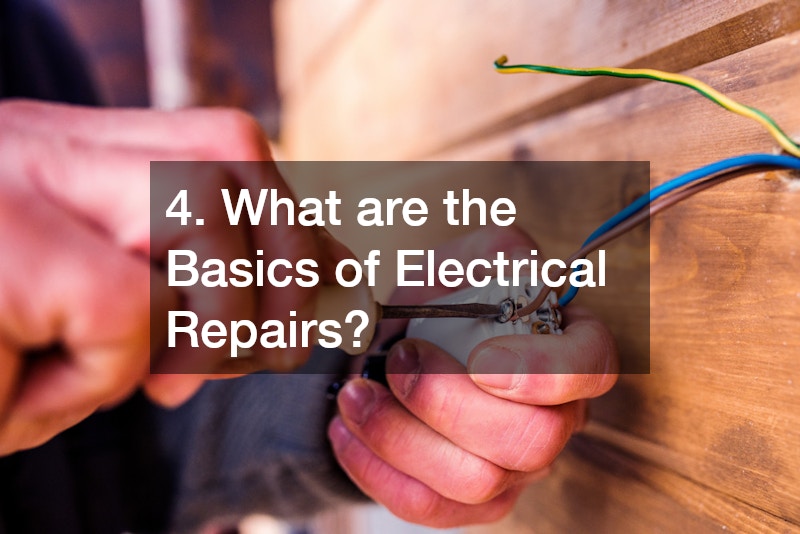
Electrical repairs demand a heightened level of caution to prevent injuries and property damage. Before starting any electrical work, prioritize safety by shutting off power to the area being addressed. Use a voltage tester to verify that circuits are de-energized. Be equipped with protective gear like insulated gloves and goggles, and familiarize yourself with safety codes—essential components of a construction contractor’s expertise. Even minor mistakes can be dangerous, so proceed with care and thoroughness.
Newcomers to electrical repairs should start with simple projects, such as replacing outlets and light fixtures. These tasks require a few basic tools, including screwdrivers, wire strippers, and a multimeter. As you build confidence, seek out more complex challenges, such as installing ceiling fans or replacing circuit breakers. Engage with experienced electricians or attend local workshops to learn advanced techniques. Dedicating time to continually expand your knowledge will strengthen your capabilities and serve as a foundation for tackling difficult electrical systems.
5. How to Effectively Repair Drywall at Home?
Repairing drywall is a common skill for homeowners and DIY enthusiasts that can dramatically improve a space’s appearance. The key to successful drywall repair is understanding the materials and methods involved in bringing damaged walls back to their original state. Start by inspecting damage areas and gathering essential supplies, such as joint compound, drywall screws, and a taping knife. Home builders and foundation repair specialists often recommend starting with smaller foundation repairs, allowing you to gradually build skill and confidence.
Basic drywall fixes include patching small holes, sealing cracks, and repairing nail pops. These tasks require straightforward procedures and minimal tools, making them accessible for beginners. For larger repairs, like replacing entire panels or fixing extensive water damage, more technical expertise and equipment may be required. Construction contractors advise consulting online tutorials or attending workshops to ensure correct techniques are employed. Continuous learning and patience are key ingredients for becoming adept in drywall repair projects.
6. What are the Key Tips for Painting like a Pro?
Achieving a professional finish in painting projects involves preparation, technique, and patience. Before beginning any paint job, invest time in preparing surfaces thoroughly. This includes cleaning walls, fixing imperfections, and applying primer as necessary. Ensuring a smooth, even canvas can significantly impact the outcome. Experienced home builders and painting professionals often emphasize the importance of selecting high-quality tools and paint materials for the best results. Consulting with experts like an asphalt driveway company can also shed light on weather-resistant coatings for exterior surfaces.
Mastering the art of painting requires attentive technique and ample practice. Use even, controlled strokes and maintain a wet edge to avoid visible brush marks or roller streaks. Pay attention to detail in areas such as corners, edges, and trim to ensure a consistent finish. Explore options for different paint types, like water-based or oil-based formulas, to suit various surfaces and environments. Employ advice from cellulose insulation and residential pond construction experts to customize protective surface coatings for challenging environments.
7. How to Tackle Common Flooring Issues?

Addressing common flooring issues is a fundamental aspect of home maintenance. To achieve success, familiarize yourself with different floor types and their unique characteristics. Identify common problems, such as squeaking boards, stained carpeting, or cracked tiles. By understanding basic repair methods, you can quickly resolve many issues as they arise. Experienced home builders and foundation repair specialists often emphasize the importance of routine inspection and proactive maintenance spells in minimizing flooring issues.
Utilize the guidance of a skilled construction contractor to master flooring repair techniques for various surfaces, including hardwood, tile, and carpet. Repairs may include replacing damaged boards, grouting tile gaps, or repairing fraying carpet edges. Research suitable repair materials and methods specific to different flooring types. Engage in training opportunities, such as DIY flooring workshops or consulting with professionals, to expand your expertise and ability to handle increasingly complex repairs.
8. How Can I Master Woodworking Repairs?
Mastering woodworking repairs requires dedication and an understanding of fundamental woodworking principles. Begin by assembling essential tools, such as saws, chisels, and sanders, along with safety gear like goggles and masks. Approach learning with a step-by-step progression, starting with practical tasks such as repairing loose joints, replacing damaged hardware, or refinishing surfaces. Absorb lessons from experienced home builders, who can share insights into various repair techniques and materials suitable for specific woodworking challenges.
Consistent practice plays a crucial role in developing woodworking skills. Engage in small projects regularly to hone skills and cultivate craftsmanship. Seek educational resources, such as online tutorials, woodworking classes, or mentorships, to expand your knowledge base. Collaborate with cellulose insulation specialists when repairing or enhancing wood structures exposed to insulation-related environments. Over time, your growing competence will enable you to tackle more ambitious projects and furnishings.
9. What Should I Know About Weatherproofing?
Weatherproofing plays a crucial role in maintaining a safe and energy-efficient home. Understanding the basics of weatherproofing involves recognizing common vulnerabilities, such as windows, doors, and roofs. Identifying these areas can help you build a comprehensive weatherproofing strategy. Consider seeking advice from insulation contractors and construction professionals, who often highlight the importance of proper insulation, airtight sealing, and moisture barriers in withstanding harsh conditions.
Employing effective materials is vital in achieving successful weatherproofing outcomes. Caulks, sealants, and weatherstripping are frequently used to prevent air and water leakage. Reflective or insulating paints, thermal curtains, and energy-efficient windows can significantly impact a home’s thermal performance. Adapting these solutions to your unique property needs will pave the way for improved protection and energy savings. In consultation with an experienced local siding contractor, you can stay informed on the most effective and innovative materials for your location.
10. What are the Top Tips for Home Maintenance?

Effective home maintenance is the foundation of a long-lasting and comfortable living environment. Prioritize developing a reliable maintenance routine, targeting key aspects like HVAC systems, plumbing, electrical installations, and roofing. Scheduling regular inspections keeps potential issues at bay, protecting your property from costly repairs. Proactive care extends a home’s lifespan and improves efficiency. Collaborate with professionals, like residential pond construction or local siding contractors, to ensure comprehensive coverage of all maintenance needs.
Stay informed on industry best practices and advancements to enhance your maintenance knowledge continuously. Tap into resources like online forums, workshops, or professional courses to build an understanding of evolving maintenance strategies. Equip yourself with quality tools and materials to tackle regular upkeep effectively. Address repairs or updates promptly, before they lead to larger concerns, ensuring smooth and functional household operations. Engaging with experts fosters a strong foundation for tackling essential home maintenance tasks effectively.
As you’ve seen through these professional tips, becoming adept at handling various home fixes is within your reach. By consistently practicing and embracing growth opportunities, you can enhance your skillset and confidence in managing repairs. Implementing safety measures and remaining informed about the latest trends in home improvement practices empowers you to address a wide array of challenges. Mastering these skills allows you to improve, maintain, and enrich your living space with self-assurance and precision. These ten expert strategies equip you with the knowledge needed to tackle everything from basic repairs to advanced enhancements. By nurturing your capabilities and exploring new techniques, you pave the way for an efficient, well-maintained, and stylish home.
About the Author