Protecting your home from severe structural damage requires catching early signs of roof wear. By routinely checking for indicators like interior water stains, attic mold, a sagging roofline, missing granules, indoor drafts, curled shingles, and rotted wood, you can address minor repairs before they become catastrophic failures.
Spot Water Stains
One of the most obvious and alarming indicators that your roofing system is failing is the appearance of discoloration on your interior ceilings and walls. These unsightly blemishes often start as faint, yellowish-brown rings that slowly expand over time, signaling that moisture has breached your home’s exterior defenses and is pooling in the drywall. Many homeowners mistakenly assume that a small mark is nothing to worry about, but water is incredibly insidious, traveling along rafters and pipes before finally pooling enough to soak through the interior surfaces. Ignoring this seemingly minor visual cue can lead to severe structural degradation and a massive compromise of your living space.
When you trace these spots back to their source, you will frequently uncover compromised shingles or broken underlayment that occurred during recent severe weather events. In these scenarios, securing professional storm damage roof repair is absolutely essential to restore the integrity of the barrier and prevent subsequent leaks. A qualified technician will access the attic, track the moisture trail through the insulation, and identify the exact entry point on the roof deck. By addressing the root cause quickly, you prevent the localized moisture intrusion from rotting the wooden decking and spreading throughout the entire attic space.
Notice Roof Sagging
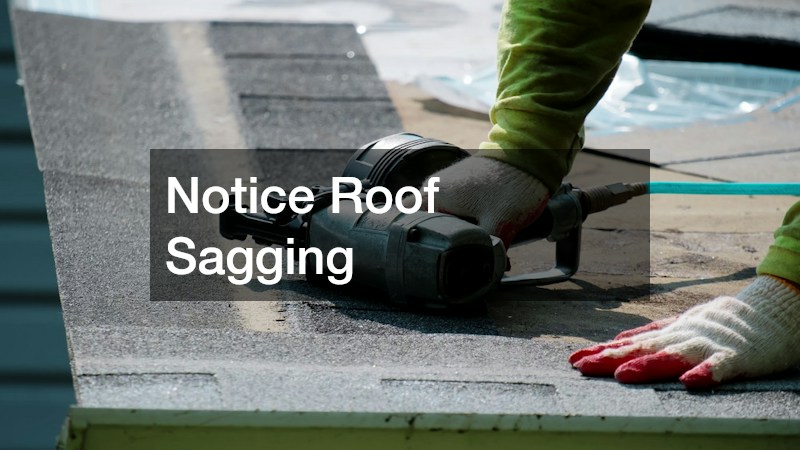
A healthy, structurally sound roof should maintain a perfectly straight and crisp line along its ridge and slopes, regardless of the architectural style. When you step back and look at your house from the street, any visible dipping, bowing, or depression in the roofline is an immediate red flag that demands urgent attention. This structural deformation indicates that the underlying supports, such as the rafters or trusses, are losing their ability to bear the weight of the roof itself. Sagging is never a cosmetic issue; it is a profound structural warning that the framework has been compromised by prolonged moisture exposure, excessive weight loads, or simple age-related material fatigue.
The underlying cause of this bowing is frequently water saturation that has softened the plywood decking and the load-bearing beams beneath it. While you might initially wonder if your flood insurance coverage will handle interior damage from major storms, a sagging roof requires immediate structural intervention regardless of policy specifics to prevent a total collapse. Contractors will need to strip away the heavy materials, replace the rotting trusses, and install new decking to restore the plane. Failing to reinforce a dipping roofline rapidly invites disaster, especially if you live in an area prone to heavy winter snowfall or driving rains.
Find Roof Granules
Asphalt shingles are manufactured with a thick layer of crushed mineral granules embedded in their surface to protect the delicate asphalt from the sun’s damaging ultraviolet rays. As a roof ages and endures years of baking in the summer heat and freezing in the winter, the adhesive bond holding these tiny stones in place naturally begins to fail. Consequently, the shedding of these protective granules is a normal part of the aging process, but excessive loss is a glaring sign that the materials are reaching the absolute end of their functional lifespan. Without this gritty outer layer, the asphalt becomes brittle, cracks easily, and completely loses its waterproofing capabilities.
You will typically discover these displaced granules accumulating heavily inside your drainage system, looking much like coarse black sand at the bottom of the troughs and around the downspout exits. When cleaning out the debris, you might even consider consulting top fiberglass gutter companies to upgrade your drainage, but the immediate priority must be addressing the deteriorating shingles above. Once the bald asphalt is exposed to direct sunlight, it will deteriorate at an accelerated rate, baking and cracking until water can effortlessly seep down to the underlayment.
See Bare Spots
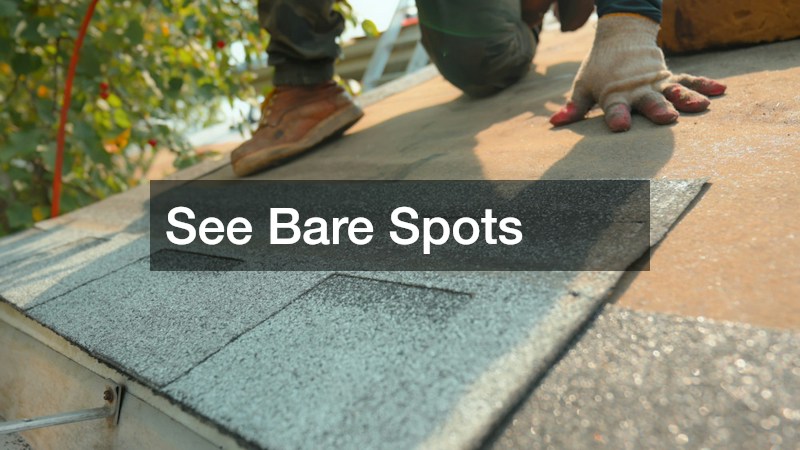
Following the gradual loss of the protective mineral coating, the surface of your roof will begin to develop distinct, smooth patches where the underlying black asphalt is completely exposed to the elements. These bald patches drastically compromise the aesthetic appeal of your home, creating a mottled, worn-out appearance that detracts from the property’s overall curb appeal. More importantly, these exposed areas act as the weak links in your home’s armor, drastically reducing the system’s ability to shed water and withstand the physical impact of hail, wind-blown debris, and heavy downpours. A roof riddled with bare spots is essentially functioning on borrowed time.
The presence of these unprotected zones means the shingles are rapidly losing their structural integrity and are highly susceptible to sudden failure during the next major weather event. To accurately assess the remaining lifespan of the system and the depth of the damage, it is highly recommended to contact reputable local roofing contractors for a comprehensive evaluation. These professionals can physically inspect the brittleness of the affected materials and determine whether targeted patching is sufficient or if the widespread degradation necessitates a complete replacement to keep the interior dry.
Detect Mold Growth
Fungal infestations thriving on the exterior materials or spreading stealthily through your dark, poorly ventilated attic spaces present a dual threat to both your property and your family’s health. Mold and mildew require consistent moisture and organic material to flourish, meaning their presence is a definitive indicator that water is bypassing your exterior barriers and becoming trapped inside the building envelope. Beyond the terrible musty odors and unsightly black or green streaks, aggressive mold colonies literally consume the wooden building materials they attach themselves to, progressively weakening the structural framework of your home while releasing harmful spores into the indoor air.
Eradicating this biological growth requires far more than just surface cleaning; it demands identifying and sealing the underlying moisture intrusion that is feeding the spores. In cases where the infestation has severely compromised the decking and widespread rot has set in, investing in comprehensive roof replacement services becomes the most viable and safe solution. Tearing off the infected layers allows professionals to sanitize the underlying structure, replace the compromised wood, and install a brand-new, watertight system equipped with proper ventilation to ensure the destructive fungus never returns.
Feel Indoor Drafts

Maintaining a comfortable and consistent internal temperature is a primary function of a well-sealed home, so the sudden appearance of cold breezes or localized temperature drops is a major cause for concern. While most people instinctively check their windows and doors when they feel an unexpected chill, the roofing system is actually a common and frequently overlooked culprit for significant energy loss. When the protective barrier above your head is compromised, it disrupts the entire thermal envelope of the building, allowing harsh exterior air to penetrate the living spaces and heavily conditioned interior air to escape into the atmosphere.
These unsettling drafts typically originate from unseen gaps, cracks in the decking, or improperly sealed penetrations around attic vents and chimneys that allow winter winds to bypass the insulation entirely. Securing prompt local roof repairs can quickly identify these hidden breaches, sealing the thermal envelope and restoring the energy efficiency of your living environment. Fixing these high-altitude air leaks not only eliminates the uncomfortable breezes whistling through your upper floors but also dramatically reduces the workload on your heating and cooling systems, ultimately saving you substantial money on monthly utility bills.
Inspect Flashing
The most vulnerable areas of any roof are the complex intersections where the flat planes meet vertical structures, such as chimneys, skylights, dormers, and ventilation pipes. To protect these critical junctions from relentless water intrusion, builders install specialized weatherproofing materials designed to bridge the gaps and direct moisture safely down the slope. Over time, these protective seals are subjected to intense thermal expansion, shifting foundations, and brutal weather conditions, causing them to crack, rust, pull away, or completely detach from the surfaces they are meant to protect. When this bridging material fails, water has a direct, unimpeded pathway into the deep recesses of your home.
Proper evaluation requires getting up close to examine the condition of the caulk and the structural integrity of the metal strips themselves, looking for any signs of corrosion or separation. If the damage is extensive or the original installation was subpar, hiring an experienced metal roofer to fabricate and install custom-fit, durable replacement components is the best course of action. Properly integrated, high-quality flashing will seamlessly contour to the specific dimensions of your architectural features, providing a permanent, watertight seal that will endure decades of extreme temperature fluctuations and heavy rainfall.
See Curled Edges
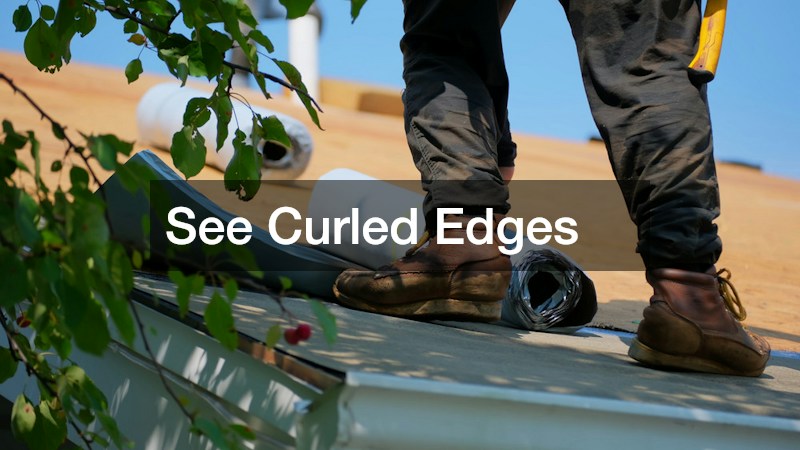
When the individual shingles on your home begin to distort, losing their flat, uniform profile and warping upward at the corners or humping in the middle, your exterior shield is in a state of active failure. This curling and cupping phenomenon is typically the result of intense heat buildup in a poorly ventilated attic, which bakes the materials from underneath while the sun scorches them from above. As the asphalt dries out and loses its essential volatile oils, the shingles shrink and deform, breaking the vital watertight seal that keeps wind and rain from penetrating the underlying protective layers.
Once the materials have warped to this degree, they become incredibly rigid and brittle, meaning a strong gust of wind can easily catch the raised edges and snap the shingles entirely off the deck. To prevent an impending massive leak, you must bring in professional roofers to evaluate the extent of the heat damage and the overall condition of the ventilation system. Replacing the warped sections and upgrading the airflow mechanisms in the attic will ensure that the new materials lie perfectly flat, restoring the seamless barrier required to deflect heavy storms.
Spot Peeling Paint
The exterior paint on your home is designed to endure typical weather conditions for many years, so blistering, bubbling, or peeling near the top of your exterior walls is a glaring symptom of a much larger, hidden problem. When moisture consistently infiltrates the roofing system and migrates downward into the fascia, soffits, and exterior siding, it becomes trapped behind the layers of paint. As this trapped water attempts to evaporate and escape, it pushes forcefully against the paint film, breaking the adhesive bond and causing the coating to crack, flake away, and expose the vulnerable building materials underneath to further decay.
This specific type of cosmetic degradation almost always points to a malfunctioning gutter system, a failing drip edge, or a persistent leak at the roofline that is actively saturating the exterior trim. Resolving this requires stripping away the damaged materials and tearing out the soaked wood, a messy process that often necessitates scheduling roofing dumpster rentals to manage the heavy debris efficiently. Once the underlying moisture source is permanently stopped and the rotted trim is completely replaced, the new surfaces can be properly primed and painted, ensuring the finish remains flawlessly intact.
Find Rotted Wood
The structural integrity of your home relies heavily on the solid wooden components that make up the roof deck, the rafters, the fascia boards, and the overhanging soffits. When these vital wooden elements are subjected to chronic moisture exposure due to failing shingles, clogged gutters, or prolonged leaks, they inevitably succumb to aggressive fungal decay and rot. This deterioration transforms strong, load-bearing timber into soft, spongy, and crumbling material that cannot support the weight of the roof or properly anchor the protective exterior finishes. Wood rot is a progressive disease for a house, and it will relentlessly spread until the source of the water is entirely eliminated.
Identifying this decay often involves physically probing suspicious, discolored areas along the roofline with a screwdriver to see if the material yields or crumbles under light pressure. Removing and replacing large sections of decayed structural timber generates a massive amount of heavy, bulky waste, making it crucial to arrange for reliable dumpster rental services before the demanding demolition work begins. Cutting out every trace of the compromised wood and installing treated, structurally sound replacements is the only way to ensure the newly repaired roof has a solid, dependable foundation to rest upon.
Protecting your home requires catching roof damage early to prevent costly structural failures. You should regularly inspect your property for key warning signs like water stains on ceilings, mold in the attic, roof sagging, or curled shingles. Additionally, look out for material wear such as granules in your gutters, bare spots on the roof, and rotted wood along the eaves. Even seemingly unrelated issues like indoor drafts, peeling exterior paint, or damaged flashing can indicate hidden leaks. Addressing these problems promptly protects your investment and ensures your roof remains a reliable shield against the elements.
About the Author