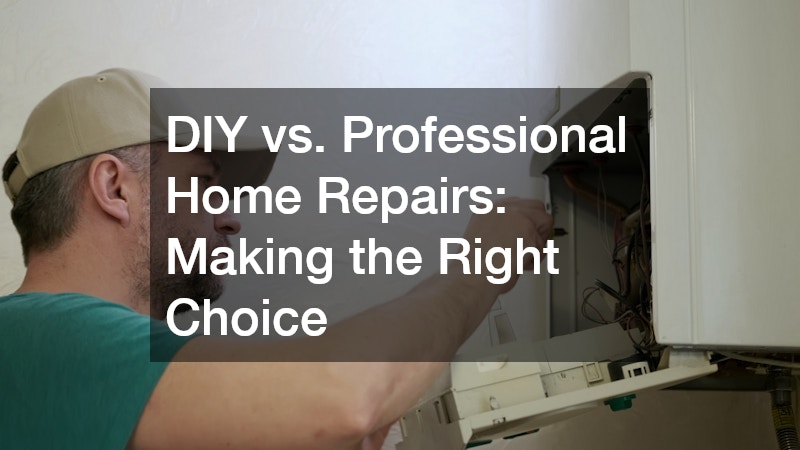
Every homeowner eventually faces the same question when something breaks, wears out, or stops working properly: should you fix it yourself or hire a professional? While many home maintenance tasks can be handled with basic tools and a little knowledge, others require specialized skills, equipment, and experience to ensure the work is completed safely and correctly. Understanding the difference can help you save money, avoid unnecessary risks, and protect the long-term value of your property.
Home repairs range from simple projects such as replacing fixtures, sealing gaps, and performing routine maintenance to more complex work involving electrical systems, plumbing, roofing, HVAC equipment, and structural components. Attempting repairs beyond your skill level can sometimes lead to higher costs, safety hazards, or damage that becomes more difficult and expensive to correct later. At the same time, relying on professional services for every minor issue may result in unnecessary expenses that many homeowners can avoid with the right preparation.
Making informed repair decisions requires evaluating several factors, including safety risks, required expertise, project complexity, local building codes, available tools, and potential long-term consequences. In many cases, a combination of do-it-yourself (DIY) maintenance and professional home repair services offers the most practical and cost-effective approach. Routine upkeep performed by homeowners can help prevent problems from escalating, while experienced contractors can address specialized repairs that require technical knowledge and industry certifications.
A proactive approach to home maintenance also helps extend the lifespan of critical systems, improve energy efficiency, and reduce the likelihood of costly emergency repairs. By understanding which projects are suitable for DIY work and which are best left to qualified professionals, homeowners can maintain a safer, more comfortable, and more reliable living environment.
This guide explores common home repair scenarios, highlighting when a DIY solution may be appropriate and when professional expertise is the smarter choice. With the right balance of hands-on maintenance and expert assistance, you can protect your investment while keeping your home in excellent condition for years to come.
Ensuring Safe Vertical Mobility
Elevators are an essential part of multi-story homes, especially for aging-in-place or accessibility needs. Regular maintenance and timely elevator repairs ensure they operate safely and efficiently. Knowing what you can handle yourself versus what requires a professional is key to both safety and cost savings.
DIY Tips
- Routine Inspections: Check buttons, light indicators, and safety alarms regularly. Ensure that each floor button responds correctly and that the emergency alarm sounds properly.
- Lubrication: Apply lubricant to accessible mechanical parts, such as door tracks, rollers, and hinges. Avoid internal motor components unless specified by the manufacturer.
- Cleanliness: Keep the elevator pit and tracks free of debris. Dust or small objects can interfere with smooth operation.
- Emergency Readiness: Familiarize yourself with the elevator’s manual release procedure in case of malfunction.
Safety Note: Never attempt repairs on the motor, pulley, or wiring. Mishandling can cause serious injury.
Professional Repairs
- Electrical and Mechanical Issues: Certified elevator technicians should handle motor failures, faulty pulleys, and complex electrical components.
- Emergency Systems: Professionals ensure compliance with safety standards and conduct testing of alarms, brakes, and emergency communications.
- Routine Maintenance: Schedule annual inspections for residential elevators. Regular professional service prevents long-term wear and costly breakdowns.
Average Cost Range
- DIY minor maintenance: $20–$50 (lubricants, cleaning tools, small inspection kits)
- Professional elevator service/repairs: $200–$1,000 for minor repairs; major overhauls can exceed $3,000.
Maintaining Comfort and Air Quality
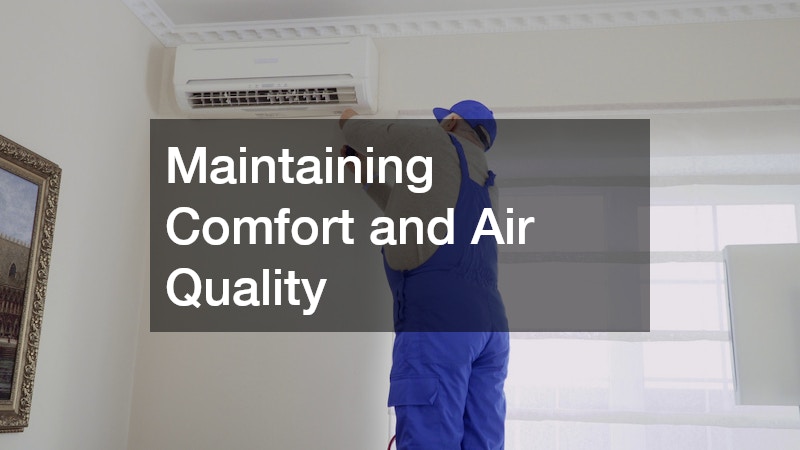
A functional HVAC system is crucial for year-round comfort, indoor air quality, and energy efficiency. Homeowners can handle some minor maintenance tasks, but knowing when to call in a professional can prevent costly HVAC repairs or health hazards.
DIY Tips
- Filter Replacement: Change air filters every 1–3 months to maintain airflow and reduce allergens.
- Cleaning Vents and Registers: Dust and vacuum vents to prevent buildup that can restrict airflow and strain the system.
- Thermostat Checks: Ensure programmable thermostats are set correctly to optimize comfort and energy efficiency.
- Condenser Maintenance: Gently remove debris and leaves around the outdoor unit to improve airflow and prevent overheating.
Professional Repairs
- Compressor or Motor Repairs: Technicians handle complex issues like refrigerant leaks, motor failures, or condenser replacement.
- Duct Cleaning: Professional duct cleaning improves efficiency and indoor air quality, especially in older homes.
- System Upgrades: HVAC experts can recommend energy-efficient replacements and smart thermostats for cost savings.
Average Cost Range
- DIY maintenance: $20–$100 (filters, cleaning tools)
- Professional service/repairs: $150–$500 for minor repairs; $2,500–$7,500 for system replacements
Avoiding Leaks and Water Damage
Plumbing is one of the most common areas where homeowners encounter issues. Simple home fixes can prevent minor leaks from turning into major water damage, while professionals are essential for complex plumbing repairs.
DIY Tips
- Dripping Faucets: Replace washers or cartridges to stop leaks.
- Clogged Drains: Use a plunger or mechanical snake for minor blockages. Avoid harsh chemicals that may damage pipes.
- Showerhead Replacement: Swap outdated or leaking showerheads to improve water efficiency.
Professional Repairs
- Pipe Replacement: Corroded or broken pipes need licensed plumbers for safety and compliance.
- Water Heater Repairs: Professionals can replace faulty elements or tanks and inspect for leaks.
- Sewage Line Repairs: Major blockages or pipe collapses require experienced intervention.
Average Cost Range
- DIY minor repairs: $10–$50 (washers, plungers, showerheads)
- Professional plumbing services: $150–$500 for small fixes; $1,000–$4,000+ for major repairs
Keeping Your Home Functional
Appliances are essential for everyday living. Small DIY maintenance can extend their lifespan, but professional repair ensures safety and restores optimal performance.
DIY Tips
- Refrigerator Maintenance: Clean coils and check seals to improve cooling efficiency.
- Oven & Stove Troubleshooting: Inspect burners and clean drip pans to maintain even heating.
- Washer & Dryer Care: Check hoses, lint traps, and clean filters regularly to prevent leaks and fire hazards.
Professional Repairs
- Electrical or Mechanical Failures: Certified local appliance repair technicians handle motors, compressors, and electronics.
- Replacement Guidance: Professionals assess whether repairs or replacement is more cost-effective.
- Safety Compliance: Certified technicians prevent electrical hazards or appliance malfunctions.
Average Cost Range
- DIY maintenance: $10–$100 (cleaning supplies, small replacement parts)
- Professional appliance repair: $100–$400 for minor fixes; $500–$1,500+ for major appliances
Enhancing Safety and Efficiency

Windows are not only aesthetic features but also play a critical role in energy efficiency and home security. Proper maintenance through simple window repairs can prevent heat loss, water intrusion, and safety hazards, while professional services handle more complex issues.
DIY Tips
- Minor Crack Repairs: Use clear epoxy or nail polish to temporarily seal small cracks and prevent spreading.
- Weatherstripping: Apply or replace weatherstrips to reduce drafts and improve energy efficiency.
- Seal Replacement: Inspect and replace worn seals to prevent leaks and maintain insulation.
- Cleaning & Maintenance: Regularly clean tracks and hinges to ensure smooth operation and reduce wear.
Professional Window Repairs
- Full Window Replacement: Professionals remove old windows and install new, energy-efficient units.
- Frame Repairs: Address warping, rotting, or structural damage for long-term durability.
- Advanced Glass Treatments: Professionals can install tempered or double-pane glass, UV coatings, or impact-resistant materials.
Average Cost Range
- DIY minor repairs: $20–$150 (sealants, weatherstrips, epoxy)
- Professional service: $200–$800 for repairs; $400–$1,200 per window for replacements
Safe and Clean Swimming Areas
Pools require both regular maintenance and occasional professional pool equipment repairs to stay safe and functional. Smart home fixes can prevent minor issues from escalating, and professional services handle mechanical or electrical failures.
DIY Tips
- Filter Cleaning: Remove debris from filters weekly to ensure water circulation and clarity.
- Pump Checks: Inspect for leaks, strange noises, or reduced water flow.
- Minor Leak Patching: Use pool-safe sealants to address small cracks or leaks.
Professional Repairs
- Pump Replacement: Technicians handle malfunctioning or broken pumps for consistent water circulation.
- Motor Servicing: Electric motors and automation systems require specialized knowledge for safe repairs.
- Seasonal Maintenance: Professionals perform inspections, chemical balancing, and equipment adjustments to extend equipment lifespan.
Average Cost Range
- DIY maintenance: $10–$50 per month (cleaning supplies, minor patch kits)
- Professional service: $150–$400 for minor repairs; $500–$2,000 for pumps or major equipment
Securing Water Supply Reliability
Well pumps are essential for homes relying on private water sources. Regular inspections and small fixes prevent disruptions, while professional well pump repairs are vital for complex electrical or mechanical issues.
DIY Tips
- Pressure Tank Inspection: Check for leaks or pressure inconsistencies.
- Strainer Cleaning: Remove sediment to maintain water flow and pump efficiency.
- Noise Monitoring: Unusual noises may indicate minor issues that can be preemptively addressed.
Professional Well Pump Repairs
- Pump Replacement: Replacing faulty or worn-out pumps ensures consistent water supply.
- Electrical Troubleshooting: Certified technicians safely address electrical failures.
- Deep-Well System Maintenance: Professionals assess and repair components inaccessible to homeowners.
Average Cost Range
- DIY maintenance: $20–$100 (cleaning, minor adjustments)
- Professional repair: $300–$1,500 for pump replacements; $150–$500 for inspections
Protecting Your Home from Weather Damage

Your roof is the first line of defense against weather and water damage. Timely home fixes can extend its lifespan, while professional roof repair services ensure structural integrity and proper installation.
DIY Tips
- Minor Leak Fixes: Apply roofing sealant to small leaks or holes to prevent water damage.
- Shingle Replacement: Replace broken or missing shingles to maintain roof integrity.
- Gutter Cleaning: Remove leaves and debris to prevent water buildup and ice dams in winter.
- Inspection: Regularly check for soft spots, sagging, or loose flashing to catch issues early.
Professional Roof Repair
- Major Structural Repairs: Fix underlying damage that DIY methods cannot handle.
- Waterproofing & Storm Damage Restoration: Professionals use high-quality materials and techniques for full protection.
- Inspection & Maintenance: Scheduled professional evaluations catch problems early and extend roof life.
Average Cost Range
- DIY minor repairs: $50–$300 (sealants, shingle replacement kits, gutter maintenance)
- Professional service: $500–$2,500 for small repairs; $5,000–$15,000 for full roof replacement
Preventing System Failures and Health Risks
Septic systems require routine care to prevent costly failures and health hazards. Basic home fixes help maintain performance, while professional septic repair services handle pumping and major repairs.
DIY Tips
- Tank Lid Checks: Ensure lids are secure and unobstructed.
- Pipe Clearing: Minor clogs can often be addressed with mechanical snakes or safe enzymatic cleaners.
- Routine Inspections: Look for signs of backups or slow drainage to catch problems early.
Professional Repairs
- Tank Pumping: Professionals remove waste and sludge buildup safely.
- Drain Field Repairs: Repair or replace failing drain fields to maintain functionality.
- Septic System Replacement: When systems fail, professionals ensure compliance with regulations and proper installation.
Average Cost Range
- DIY maintenance: $50–$150 per year (inspection kits, minor tools)
- Professional service: $250–$600 for pumping; $3,000–$10,000 for system replacement
Ensuring Safe Ventilation and Fire Prevention
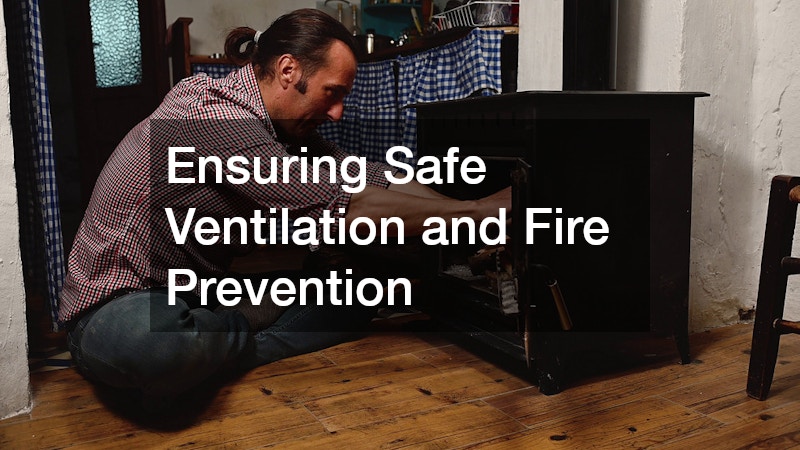
Chimneys are critical for ventilation and safety, particularly for homes with fireplaces or wood-burning stoves. Routine home fixes prevent hazards, while professionals handle structural and complex chimney repair work.
DIY Tips
- Soot & Creosote Cleaning: Regular sweeping prevents chimney fires.
- Cap & Crown Inspection: Ensure chimney caps are secure and crowns are intact to prevent water intrusion.
- Minor Mortar Repairs: Fill small cracks to maintain structural integrity.
Professional Repairs
- Structural Repairs: Fix major cracks, leaning structures, or degraded masonry.
- Liner Installation or Replacement: Improves efficiency and safety for fireplaces or stoves.
- Annual Inspections: Professionals detect hidden hazards and advise on preventative maintenance.
Average Cost Range
- DIY maintenance: $50–$150 (brushes, cleaning chemicals, minor mortar)
- Professional service: $200–$500 for cleaning and minor repairs; $1,000–$5,000 for major repairs or liner installation
Conclusion
Making smart home repair decisions is not just about fixing problems—it is about protecting your property, controlling costs, and maintaining a safe and comfortable living environment. Knowing when to handle a repair yourself and when to seek professional assistance allows homeowners to use their time and resources more effectively while avoiding unnecessary risks.
Routine maintenance and manageable repair tasks can often be completed without specialized help, helping prevent wear and tear from developing into larger issues. Staying proactive with inspections, seasonal upkeep, and minor repairs can improve efficiency, reduce unexpected expenses, and extend the lifespan of important home systems. These small efforts often deliver significant long-term benefits by preserving the condition and performance of your home.
At the same time, some projects require professional expertise to ensure safety, compliance, and lasting results. Complex repairs involving structural components, electrical systems, roofing, plumbing, heating and cooling equipment, or other specialized installations are often best handled by qualified professionals. Investing in expert workmanship can help prevent costly mistakes and provide greater confidence that the job has been completed correctly.
The most effective home maintenance strategy combines practical DIY skills with professional support when needed. By evaluating each project carefully and understanding its level of complexity, homeowners can make informed choices that protect both their investment and their peace of mind. Over time, this balanced approach helps create a home that remains reliable, efficient, and well-maintained, while reducing the likelihood of major repairs and unexpected disruptions.
About the Author