Discovering water pooling across your living room floor, dripping through a ceiling, or rushing into a basement is one of the most stressful experiences a homeowner can face. Whether the culprit is a sudden natural disaster, a slow roof leak, an appliance malfunction, or a burst pipe, the emotional shock of watching your property and personal belongings get swallowed by water can be temporarily paralyzing. In these high-stress moments, it is entirely normal to feel a profound sense of helplessness. However, recovering from water damage is a process that yields to immediate, systematic, and decisive action.
The first 24 to 48 hours following a water intrusion event represent a critical window. During this brief timeframe, the trajectory of your home’s recovery is largely decided. Prompt action stops water from traveling deeper into structural framing, prevents the warping of foundational materials, and halts the growth of toxic mold spores before they can take root in your drywall and carpeting. By treating water recovery as a step-by-step marathon rather than a chaotic scramble, you can protect your family’s health, safeguard your financial investment, and systematically rebuild your home to a state that is often more resilient than it was before the disaster.
Ensuring Immediate On-Site Safety and Documenting Losses
Securing the Premises Before Beginning Mitigation
Before you step into any area affected by standing water, your absolute priority must be human safety. Saturated buildings present hidden, life-threatening hazards that are easily overlooked in a panic. Standing water can conceal shattered glass, exposed electrical currents, or biologically hazardous contaminants if the source involves backup sewage or outdoor flooding. Your very first action should always be to locate your home’s main utility panels and shut off the electrical breakers to any submerged rooms. If you cannot reach the breaker box safely without stepping through water, contact your local utility company to disconnect the power externally.
Once the electrical hazards are neutralized, identify and eliminate the mechanical entry point of the water. If the disaster stems from an interior pipe failure, turn the main water shut-off valve clockwise until the flow stops entirely. For water entering from structural exterior breaches, investigate your perimeter entryways. Severe storms can easily force water through a compromised, unsealed garage door or warped weatherstripping around low-lying windows.
- Wear Protective Gear: Always equip yourself with thick rubber boots, heavy-duty gloves, and an N95 respirator mask before walking through water-damaged environments to guard against pathogens and airborne mold.
- Preserve the Evidence: Avoid the temptation to immediately throw away ruined items. Take clear, well-lit photographs and videos of every single room, capturing the maximum height of the water line against the walls, flooded appliances, and ruined furniture.
- Call Your Adjuster Immediately: Contact your homeowner’s insurance company to open a claim file right away, providing them with the visual documentation you compiled before any structural modifications occur.
Stabilizing the Environment and Halting Secondary Structural Damage
Triage Steps to Stop Rot and Mold in Its Tracks
With the immediate safety hazards resolved and documentation secured, you must pivot toward stabilizing the interior climate of your home. Saturated porous materials act like giant sponges, continuously pumping moisture into the surrounding air and raising the relative humidity inside your home to near-saturated levels. When indoor humidity remains above 60 percent for extended periods, mold growth becomes a mathematical certainty. To prevent this secondary disaster, you must aggressively pull moisture out of both the air and the structural elements of the building.
The drying strategy changes significantly based on the specific building materials affected. If the flooding has reached your primary living areas, assessing and preserving premium flooring is an immediate priority. Saturated hardwood flooring requires specialized, professional attention because natural wood expands rapidly when wet. If left untended, the planks will begin cupping, crowning, or completely buckling off the subfloor, rendering the entire installation unsalvageable.
Industrial-strength dehumidifiers and high-velocity air movers must be deployed to force continuous, dry air across the floor’s surface to draw moisture out of the wood grains evenly. If water has seeped behind your baseboards and into the wall cavities, you must execute a controlled demolition protocol known as a “flood cut.”
This involves using a drywall saw to cut out a straight section of drywall roughly 12 to 24 inches above the highest water mark. Removing this ruined drywall allows you to pull out saturated fiberglass insulation and exposes the hidden wooden wall studs directly to your air movers, ensuring the internal framework dries completely before rot can compromise the structural load capacities of your home.
Restoring Airflow and Climate Control Systems
Decontaminating and Re-Engaging Mechanical Utilities
A critical component of long-term water recovery is managing the air quality and mechanical systems that regulate your home’s internal environment. Many homeowners make the mistake of immediately turning on their central heating or cooling systems to help dry out a house, completely unaware that this can cause severe damage to the units and contaminate the entire property. If water has risen high enough to submerge floor registers, return vents, or low-lying mechanical equipment, running the system will pull dust, moisture, and active mold spores directly into your duct network, distributing contaminants into unaffected areas of the building.
Before restarting any heating, ventilation, or cooling system, a comprehensive inspection must be performed by a licensed professional. You should contact a certified HVAC contractor to inspect the integrity of subterranean ductwork, evaluate flooded furnaces, and test the electrical components of your outdoor compressor units. Saturated electrical controls, gas valves, and blower motors are highly prone to short-circuiting or catching fire if powered on prematurely, making professional diagnostics a non-negotiable step in your recovery timeline.
- Examine the Duct Network: Flexible ductwork that has been submerged cannot usually be dried out or cleaned; it must be completely removed and replaced to prevent future mold reservoirs.
- Sanitize Internal Components: Your hired HVAC company must thoroughly clean the evaporator coils, sanitize the main plenum chambers, and disinfect hard-walled metal ducts with specialized antimicrobial solutions.
- Upgrade Air Filtration: Once the system is cleared for safe operation, install high-efficiency particulate air (HEPA) filters to continuously scrub fine dust and residual mold spores out of the breathing zone as the building returns to normal.
Rebuilding Smarter with Resilient Interior Layouts
Planning Architectural Remediation After Content Stripping
Once your home is completely dry and certified moisture-free by a remediation specialist, the reconstruction phase begins. While rebuilding is an undeniable chore, it also presents a rare opportunity to re-evaluate the architecture of your living space. If your home suffered damage due to a systemic flaw in its layout or because it sits in a low-lying geographic zone, rebuilding the exact same way is simply inviting a repeat disaster. This is the perfect moment to think about future mitigation strategies.
Take a close look at your home floor plan to see if you can modify the spatial design to enhance resilience. For example, if your mechanical room, laundry appliances, or main electrical panels were previously located on a vulnerable basement floor, consider reconfiguring the layout to elevate these critical utilities to a higher story or onto raised concrete plinths.
When you are ready to transition from structural demolition to active rebuilding, ensure you enlist reputable home construction services that specialize in post-loss restoration rather than general cosmetic remodeling. Disaster-resilient builders understand how to seal subfloors with advanced waterp roofing membranes and can install mold-resistant, paperless drywall instead of standard paper-backed gypsum.
They can also guide you toward choosing non-porous interior finishes, such as luxury vinyl tile or waterproof composite materials, which can withstand future water exposure without requiring complete demolition. This deliberate approach turns a structural failure into an opportunity to upgrade your home’s baseline value and durability.
Tracing the Source: Addressing Overhead and External Infiltration
Securing Your Home’s Primary Shield Against the Elements
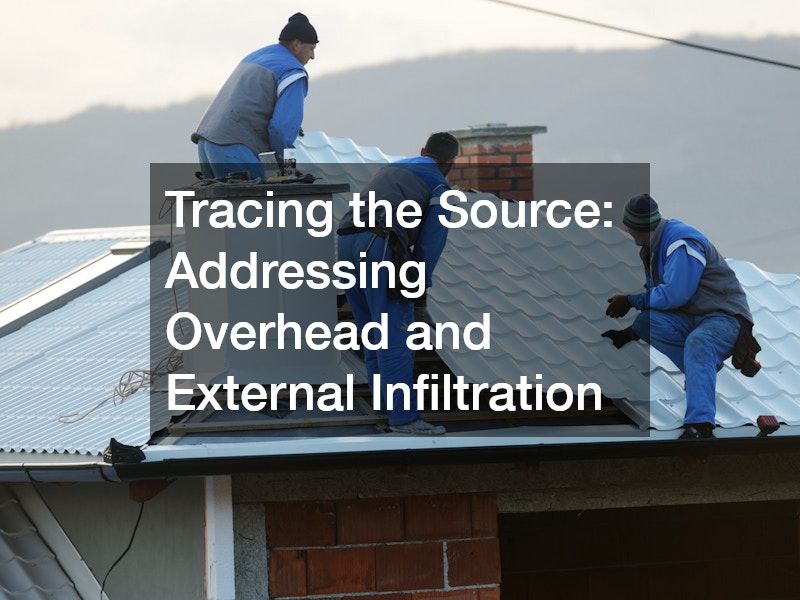
While interior plumbing failures are incredibly common, an equal number of water damage incidents originate from the sky. Severe weather, hail, wind-driven torrential rain, and winter ice dams place immense stress on your home’s exterior envelope. If your roof structure contains compromised flashing, degraded underlayment, or missing shingles, water will slowly back up into your attic spaces, rotting the structural roof trusses and eventually causing large sections of your interior ceilings to collapse without warning.
Fixing the interior of your home without addressing an active overhead breach is a pointless financial exercise. To identify and resolve these vulnerabilities permanently, look to the exterior perimeter. When vetting contractors to repair the topmost barrier of your home, bypass unverified, out-of-town workers who arrive after major storms, and focus your search on established, local roofing companies that maintain deep roots in your community, permanent physical offices, and comprehensive liability insurance policies.
- Check the Valleys and Flashing: Most roof leaks do not occur in the center of the shingles; they manifest in the valleys where two roof planes meet, or around chimney and vent pipe flashings.
- Verify Manufacturer Warranties: Ensure your chosen contractor provides written warranties covering both the physical materials used and the structural labor performed.
- Inspect the Attic After Repairs: Once exterior work is completed, climb into the attic space during a heavy rainstorm with a high-powered flashlight to verify that no secondary pathways are still letting moisture inside.
Coordinating a targeted, professional roof repair is essential to seal up penetrations and replace storm-damaged decking before it weakens further. Your contractor should inspect the entire roof plane to determine if a simple spot-repair is sufficient, or if the underlying decking has become so thoroughly rotted by long-term moisture that a broader replacement is necessary to keep your home structurally sound and completely watertight.
Maintaining Total Home Comfort and Long-Term Prevention
Upgrading Climate Resilience and Envelope Integrity
As your water recovery journey nears completion, your final focus should be on implementing long-term prevention and environmental control systems. True recovery means ensuring that your home’s relative humidity and structural integrity are managed automatically, removing the need for you to constantly worry about hidden moisture. Your indoor climate control system plays a massive role in this ongoing maintenance strategy.
If you live in a geographic region prone to high seasonal humidity or recurrent storms, standard portable dehumidifiers are rarely enough to protect a home long-term. Consider integrating a whole-home dehumidifier directly into your primary air conditioning infrastructure. This setup allows your climate control system to continuously pull moisture out of the air before it enters your living spaces, maintaining a stable indoor environment and protecting your wood trim, cabinetry, and structural framing from humidity-induced swelling and mold cultivation.
In cases where your home’s roof envelope is nearing the end of its natural lifecycle, patching minor leaks is often an inefficient use of capital. Investing in a comprehensive, modern roofing system installation provides the ultimate peace of mind against the elements. Upgrading to modern synthetic underlayments, high-wind architectural shingles, and continuous ridge vent systems completely transforms how your home sheds water and heat, protecting your interior spaces and substantially increasing your home’s resale market value.
Recovering from water damage is undeniably a marathon that tests both your patience and your financial resolve. There are no shortcuts to a proper restoration; attempting to skip the necessary drying times, using subpar equipment, or covering up damp studs with fresh drywall will always lead to costly structural failures and toxic mold infestations down the road. However, by adhering to a strict, logical restoration methodology, you can transform a property disaster into an opportunity to upgrade your home’s safety, utility efficiency, and structural value.
When you look back on this experience months from now, the stress of the initial flood will fade, replaced by the quiet confidence that comes from knowing your home is thoroughly clean, dry, and built to handle future challenges. Keep open lines of communication with your insurance adjusters, demand certified documentation from every technician who touches your property, and prioritize structural health over cosmetic quick fixes. By taking control of the situation with clear priorities and professional guidance, you can successfully guide your household through the recovery process, securing a dry, healthy, and stable living environment for your family’s future.
About the Author