Maintaining a comfortable indoor temperature during hot months requires more than just turning on the air conditioning. Efficient cooling relies on a combination of the right equipment, proper insulation, and smart energy practices. From choosing a qualified HVAC company to leveraging home insulation and window solutions, homeowners can optimize comfort while reducing energy costs. This guide provides practical tips and professional insights to improve your home’s cooling efficiency year-round.
How Do I Choose the Right HVAC Installation?
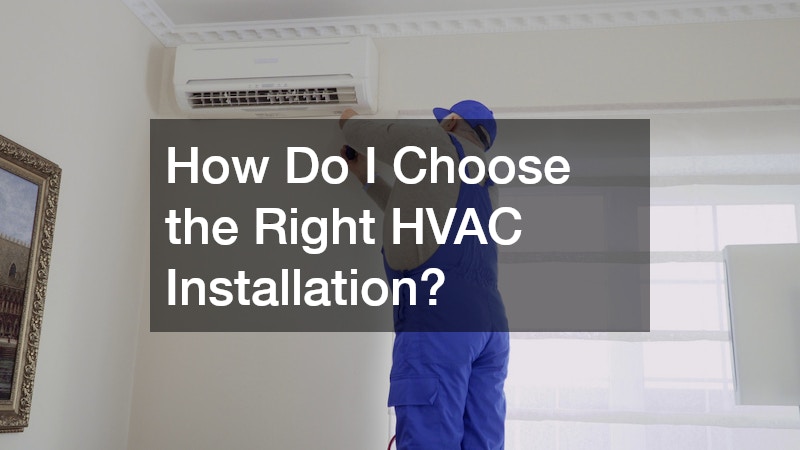
Selecting the proper HVAC installation begins with a thorough assessment of your home’s cooling requirements. Factors include square footage, ceiling height, window placement, and insulation quality. An HVAC installation tailored to your property ensures consistent temperatures throughout living spaces. Consider household habits and occupancy patterns, as these influence system capacity. Properly sized systems avoid unnecessary energy consumption while maximizing comfort, resulting in improved efficiency and lower utility bills.
Multiple HVAC systems are available, from central air to ductless mini-splits. Each has distinct advantages depending on home layout, climate, and personal preferences. Comparing systems includes evaluating energy usage, installation complexity, and long-term maintenance. Consulting an HVAC company helps homeowners select a system that balances performance and cost. Making an informed choice prevents underperformance or excessive energy consumption while ensuring consistent comfort during peak summer temperatures.
Energy efficiency is a critical consideration when selecting HVAC equipment. Ratings such as SEER (Seasonal Energy Efficiency Ratio) or EER (Energy Efficiency Ratio) indicate system performance relative to energy consumption. Higher-rated units typically consume less electricity while delivering the same cooling output. Prioritizing efficiency reduces monthly energy bills and environmental impact. A professional HVAC installation ensures proper calibration and optimization, allowing the system to operate at peak efficiency throughout its lifespan.
What Should I Look for in a Reliable HVAC Company?
Choosing a reputable HVAC company starts with verifying licenses, certifications, and years of experience. Certified technicians are trained to handle installation, maintenance, and repair with adherence to industry standards. Experienced companies have a track record of consistent service quality and problem-solving capabilities. Homeowners benefit from professionals who can assess unique cooling needs, recommend suitable systems, and ensure installation follows safety and regulatory guidelines, providing peace of mind and long-term reliability.
Online reviews and testimonials offer insights into the reliability and professionalism of an HVAC company. Customers often highlight responsiveness, workmanship quality, and post-installation support. Consistently positive feedback indicates dependable service and adherence to commitments. By researching reviews across multiple platforms, homeowners can identify companies with strong reputations and satisfied clients. This step helps ensure that the selected contractor will deliver effective, long-lasting solutions for home cooling.
A reliable HVAC company provides comprehensive services, including installation, maintenance, and emergency repairs. Clear communication about warranties and guarantees ensures homeowners understand coverage for equipment and labor. Service packages may include routine inspections and performance monitoring. Choosing a company that offers robust support protects your investment, reduces downtime, and helps maintain system efficiency. Transparent service offerings also facilitate long-term planning for equipment upgrades and preventive maintenance.
How Do HVAC Contractors Improve System Efficiency?
Routine maintenance performed by HVAC contractors is essential for system longevity and efficiency. Tasks include cleaning coils, inspecting ductwork, checking refrigerant levels, and testing airflow. Regular checks prevent small issues from escalating into costly repairs and ensure consistent cooling performance. Contractors identify worn components, leaks, or blockages that can reduce efficiency. Scheduled maintenance maximizes energy savings, maintains indoor comfort, and prolongs the operational lifespan of your HVAC system.
Upgrading components, such as thermostats, filters, and motors, enhances HVAC efficiency without replacing the entire system. High-efficiency motors consume less energy while maintaining output, and advanced thermostats allow precise temperature control. HVAC contractors can recommend upgrades suited to your existing system. These targeted improvements reduce energy consumption, improve air quality, and ensure more consistent cooling. Strategic component upgrades are a cost-effective way to maintain performance and comfort over time.
Proper installation is critical for an HVAC system to operate efficiently. Incorrect sizing, improper ductwork, or poor refrigerant charge can severely affect performance. HVAC contractors follow manufacturer specifications and industry best practices to optimize airflow and cooling output. Professional installation reduces energy waste, minimizes wear on components, and ensures the system meets design expectations. Homeowners enjoy reliable operation and consistent indoor comfort when systems are installed correctly.
What Role Do Local HVAC Companies Play in Home Cooling?
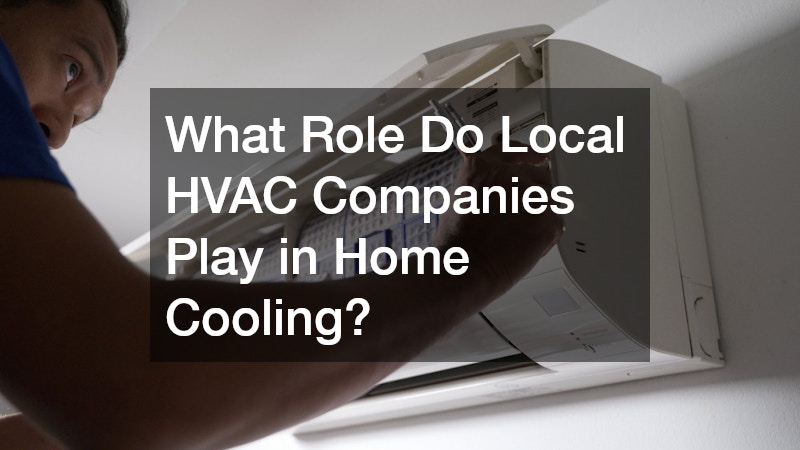
Local HVAC companies provide rapid response times for maintenance, repairs, and troubleshooting. Proximity allows technicians to reach homes quickly, minimizing downtime during extreme weather. Fast service helps prevent minor issues from becoming major problems. Homeowners benefit from accessible support, especially during heatwaves when cooling efficiency is crucial. A local presence ensures prompt attention and reliable service, keeping homes comfortable and reducing the risk of prolonged system failures.
Local HVAC companies often offer personalized service tailored to community needs. They understand typical home layouts, climate challenges, and energy patterns in the area. Technicians develop customized plans for installation, maintenance, and energy optimization. Personalized service fosters a collaborative relationship with homeowners, enabling tailored solutions that meet both comfort and budget goals. Residents gain confidence in working with professionals who value individualized attention and customer satisfaction.
Local companies often have a vested interest in community reputation, leading to higher accountability and trust. They may participate in educational programs, energy-saving initiatives, or seasonal promotions. Community-focused businesses prioritize long-term relationships, providing dependable service beyond a single transaction. Choosing a local HVAC company ensures ongoing support, reliability, and access to technicians who understand regional conditions and can adapt solutions to unique household requirements.
When Should I Contact an AC Company for Services?
Awareness of warning signs helps homeowners address AC issues before major failures occur. Common indicators include uneven cooling, unusual noises, increased humidity, and rising energy bills. Early intervention by an AC company prevents extensive damage and ensures continued comfort. Technicians can identify underlying causes such as refrigerant leaks, clogged filters, or malfunctioning components. Prompt action reduces repair costs and maintains system performance throughout the cooling season.
Seasonal maintenance is critical for keeping AC systems efficient. Inspections before summer or after winter allow technicians to clean coils, check refrigerant, and verify airflow. Addressing minor wear and tear early ensures optimal cooling performance during peak demand. Regular seasonal service prevents unexpected breakdowns, extends system lifespan, and improves indoor air quality. Homeowners benefit from consistent comfort and energy savings with scheduled AC services.
Unexpected AC failures require immediate attention to prevent discomfort and potential property damage. A reliable AC company provides emergency services, often with same-day response options. Quick intervention minimizes downtime and ensures safety during extreme temperatures. Technicians can troubleshoot, repair, or temporarily stabilize the system until permanent solutions are implemented. Access to emergency services ensures peace of mind, especially during heatwaves or high-demand periods.
How Does Home Insulation Service Enhance Efficiency?
Effective insulation reduces heat transfer, improving HVAC efficiency and indoor comfort. Home insulation service providers assess attics, walls, basements, and crawl spaces to identify gaps or insufficient coverage. Proper insulation prevents cooled air from escaping and reduces energy consumption. By targeting specific problem areas, technicians optimize the home’s thermal envelope. Homeowners benefit from improved comfort, lower utility bills, and reduced strain on HVAC systems.
Different insulation materials—such as fiberglass, cellulose, spray foam, and reflective barriers—offer varying thermal performance and cost considerations. Home insulation services recommend materials suited to climate, home structure, and energy goals. Proper installation ensures maximum effectiveness and longevity. Choosing the right insulation type enhances energy efficiency, maintains consistent indoor temperatures, and contributes to a quieter, more comfortable living environment.
Investing in insulation involves upfront costs but provides significant long-term savings on energy bills. Effective insulation reduces the workload on HVAC systems, lowering maintenance needs and extending equipment lifespan. Homeowners can calculate payback periods based on energy savings and improved comfort. A professional home insulation service helps weigh initial investment against long-term efficiency benefits, ensuring an economically sound choice that enhances overall cooling performance.
How Can Window Coverings Affect Home Cooling?
Window coverings, including blinds, shades, and curtains, influence indoor temperature by blocking or allowing sunlight. Reflective or blackout options reduce heat gain during peak hours. Layered treatments combine insulation and light control, enhancing comfort. Selecting coverings based on orientation, material, and opacity improves cooling efficiency. Homeowners can adjust window treatments seasonally to maximize energy savings and maintain consistent indoor temperatures without relying solely on HVAC systems.
Window coverings help regulate indoor climate by reducing solar heat gain and preventing cooled air from escaping. Properly installed shades and blinds create an extra barrier against external temperature fluctuations. This reduces strain on HVAC systems and maintains consistent comfort. Effective temperature regulation minimizes energy use, lowers cooling costs, and enhances indoor comfort. Adjusting coverings throughout the day ensures optimal performance for energy efficiency and cooling balance.
Selecting window covering materials involves balancing aesthetics, functionality, and thermal performance. Materials like insulated fabrics, reflective blinds, or cellular shades provide varying degrees of heat resistance. Homeowners should consider durability, ease of use, and light control capabilities. High-quality materials improve comfort, reduce energy consumption, and complement interior design. Professional guidance ensures window treatments achieve both energy efficiency and visual appeal.
When Should I Consider Window Replacement?
Old or damaged windows can compromise home cooling efficiency. Drafts, cracks, and worn seals allow air leakage, increasing HVAC workload. Assessing window integrity identifies areas needing repair or replacement. Inspecting frames, glazing, and weatherstripping helps determine whether maintenance or full replacement is necessary. Timely action prevents energy loss, maintains indoor comfort, and supports HVAC efficiency.
Modern energy-efficient windows reduce heat transfer and improve insulation. Double or triple glazing, low-E coatings, and gas-filled panes enhance performance. Replacing inefficient windows lowers energy consumption, reduces cooling costs, and improves comfort. Energy-efficient windows also increase home value, improve noise reduction, and enhance overall aesthetic appeal. Proper installation by a professional ensures maximum effectiveness.
Window replacement involves measuring, selecting materials, removing old units, and installing new windows. Professional contractors ensure correct fit, sealing, and alignment. Quality installation prevents air leaks and maintains structural integrity. Homeowners benefit from improved energy efficiency, durability, and reduced maintenance. Planning and understanding the process ensures a smooth transition and long-lasting cooling benefits.
How Do AC Services Contribute to System Longevity?
Regular AC services, including coil cleaning and filter replacement, maintain system efficiency and air quality. Clean components ensure optimal airflow, reduce strain on the compressor, and prevent premature wear. Technicians can schedule routine maintenance tailored to usage patterns, enhancing system reliability. Homeowners enjoy consistent cooling performance, longer equipment lifespan, and improved indoor comfort by keeping the system properly maintained.
AC services include diagnostic checks to detect early signs of problems such as refrigerant leaks, electrical faults, or mechanical wear. Early identification prevents costly repairs and minimizes downtime. Technicians provide recommendations to address minor issues before they escalate. Proactive service ensures HVAC efficiency, system longevity, and uninterrupted comfort during high-demand periods, protecting both investment and home environment.
Customized maintenance plans cater to the unique needs of each system and household. AC services may include seasonal inspections, performance optimization, and priority scheduling for repairs. Tailored plans maximize energy efficiency and minimize unexpected breakdowns. Homeowners benefit from consistent, hassle-free care that extends system lifespan, reduces utility costs, and maintains reliable cooling throughout the year.
How Can Smart Technology Improve HVAC Performance?
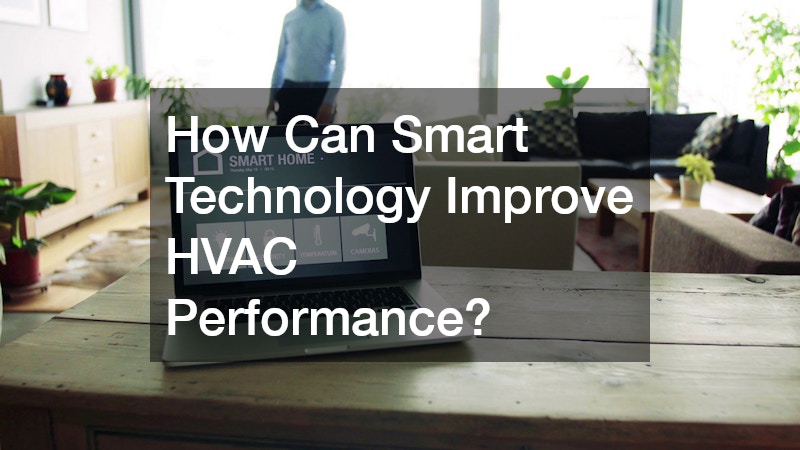
Smart thermostats optimize HVAC performance by adjusting temperatures based on occupancy and usage patterns. Integration with mobile apps allows homeowners to control settings remotely. Data analytics provide insights into energy consumption, enabling informed adjustments. Smart technology ensures efficient operation, reducing energy waste while maintaining comfort. Incorporating smart thermostats enhances convenience and cost savings, complementing other efficiency strategies for cooling your home.
Advanced HVAC systems track energy usage and identify inefficiencies. Smart devices can detect patterns of high consumption and suggest adjustments. Monitoring usage helps homeowners reduce energy waste, improve comfort, and prevent overworking the system. Automated scheduling and zoning provide targeted cooling, reducing unnecessary energy expenditure. Utilizing this technology ensures that HVAC systems operate efficiently, extending their life and maintaining consistent indoor temperatures.
Smart HVAC systems integrate sensors, thermostats, and remote controls to optimize performance automatically. They respond to real-time data on temperature, humidity, and occupancy. This proactive management reduces energy use while enhancing comfort. Homeowners gain convenience, improved efficiency, and longer equipment lifespan. Investing in smart technology complements traditional maintenance practices, ensuring the home remains cool, energy-efficient, and cost-effective throughout the year.
Maintaining a cool, comfortable home while maximizing HVAC efficiency requires strategic planning, regular maintenance, and informed decision-making. By working with trusted HVAC contractors, leveraging smart technology, and implementing insulation and window solutions, homeowners can reduce energy costs and extend system longevity. Understanding each aspect—from installation to seasonal care—ensures a reliable, high-performing HVAC system that keeps your home comfortable year-round while supporting long-term savings.
About the Author